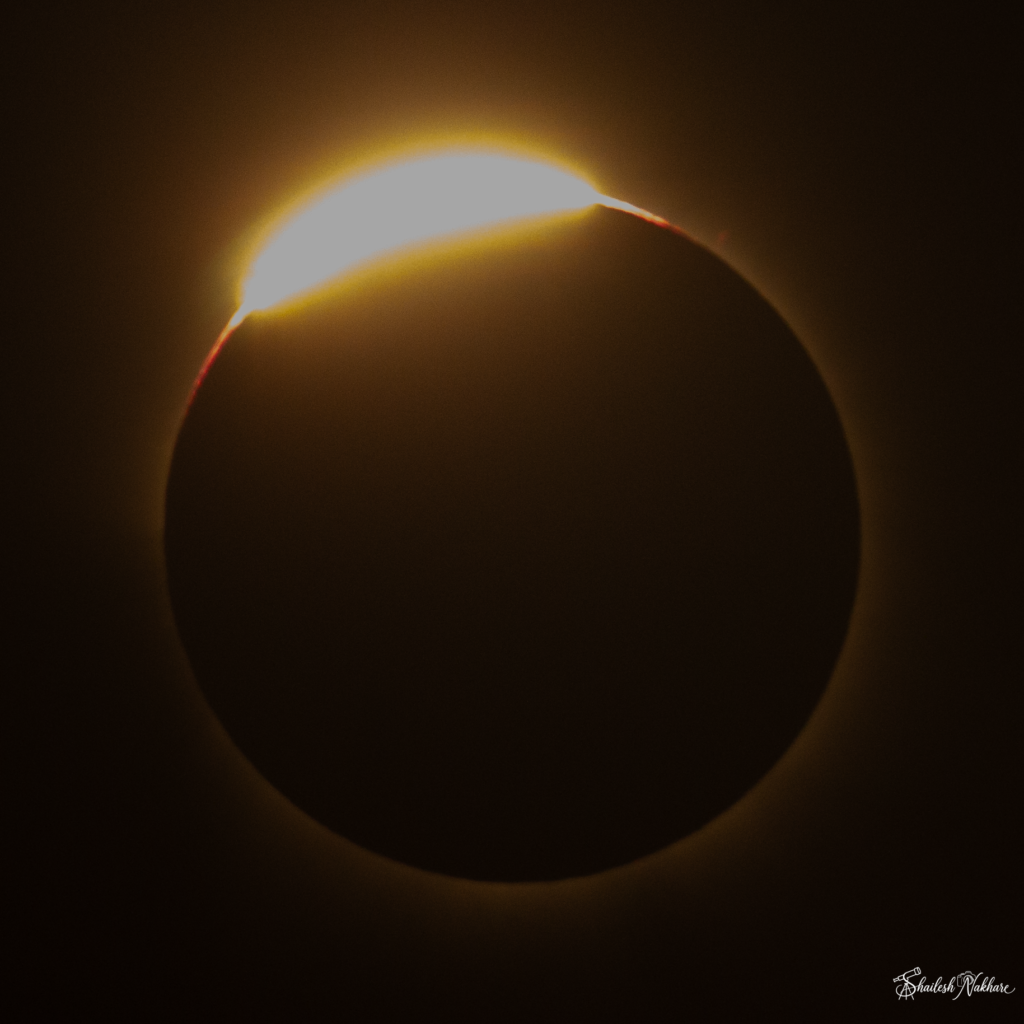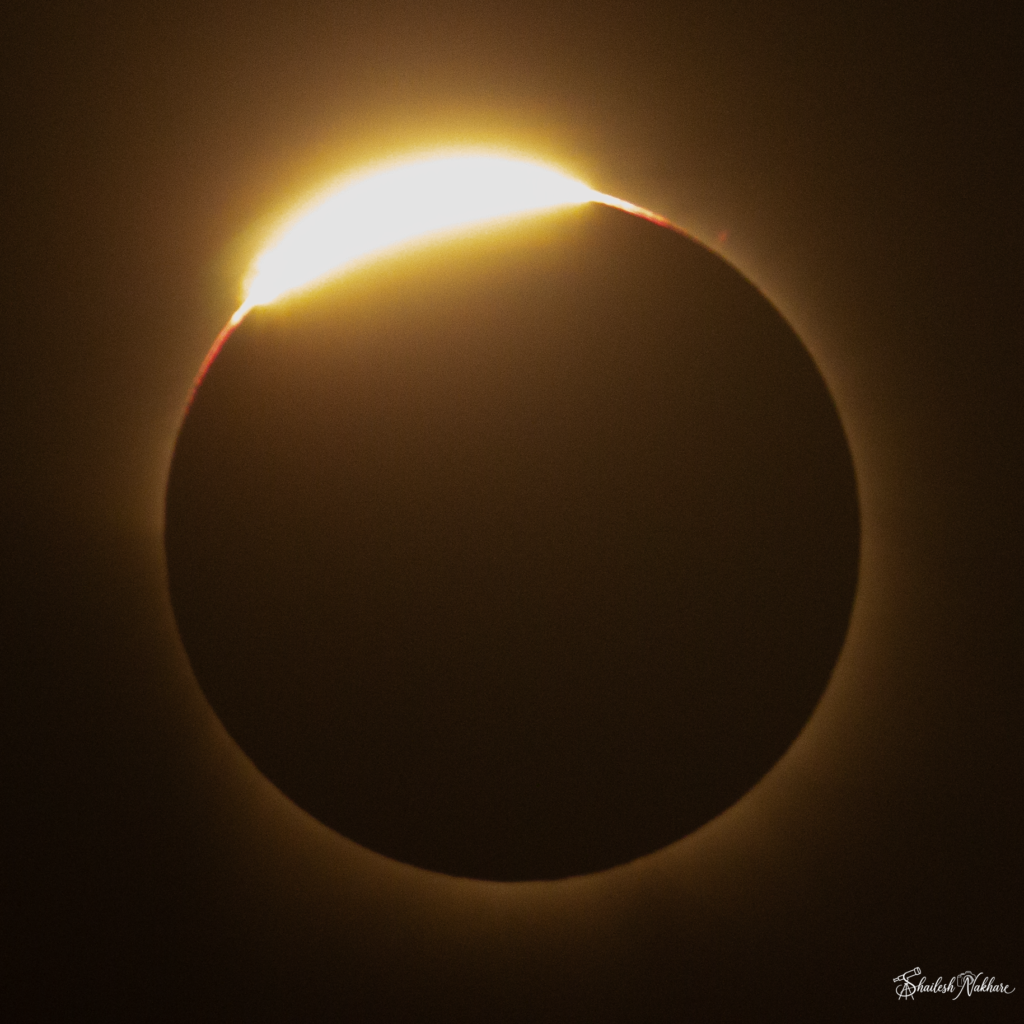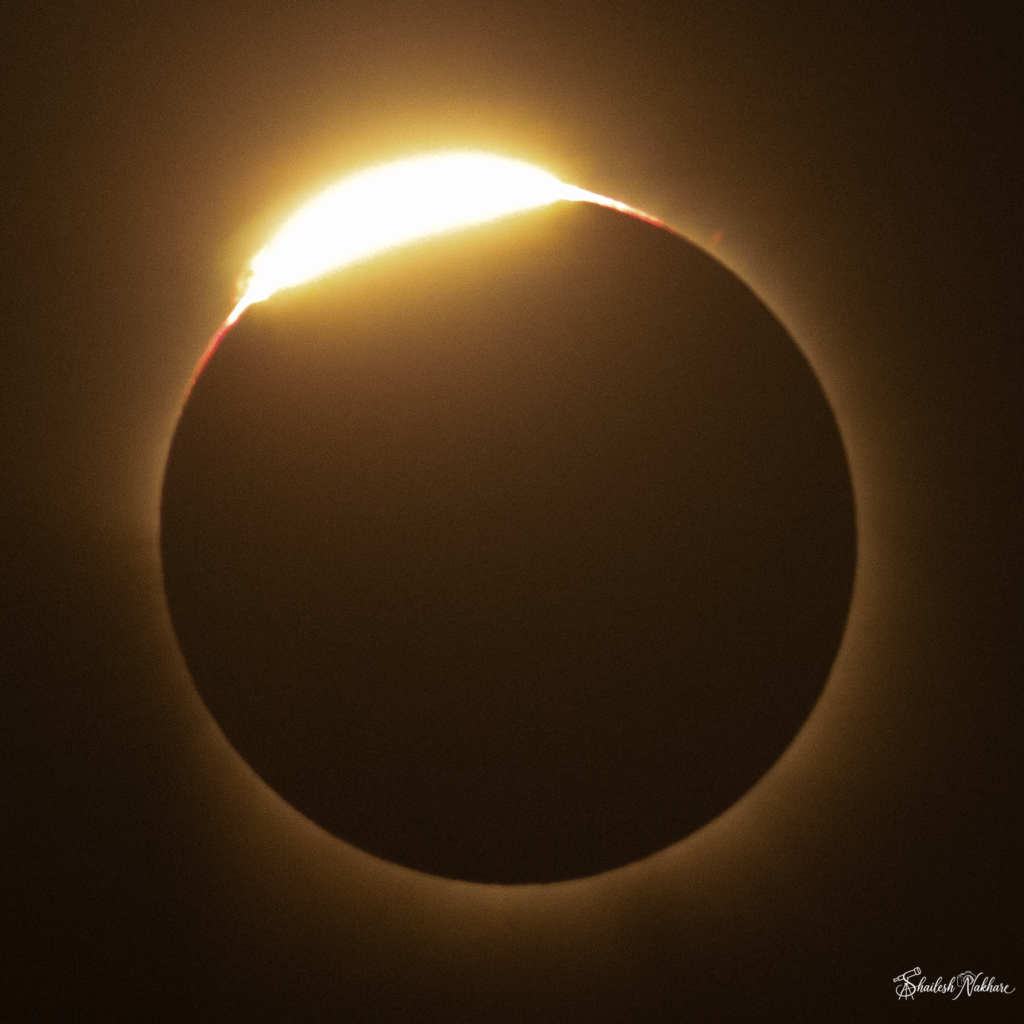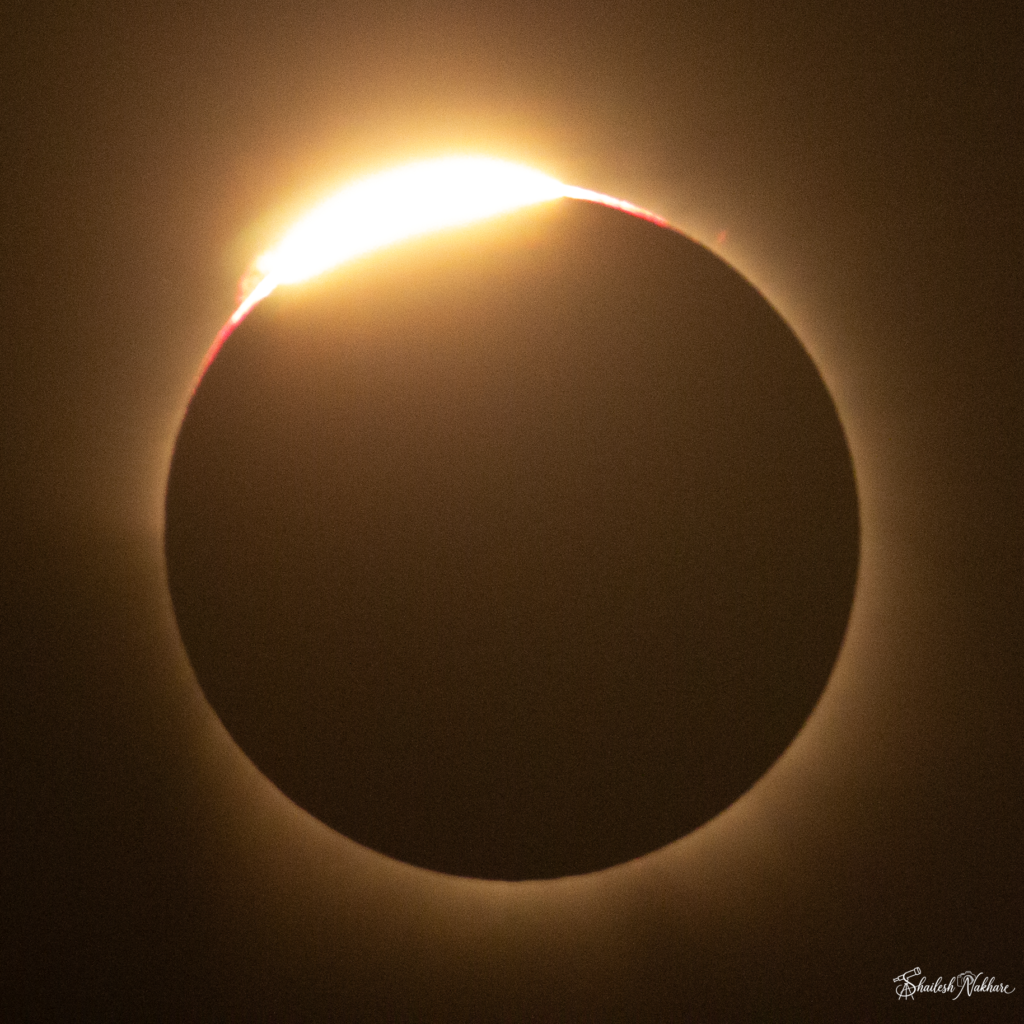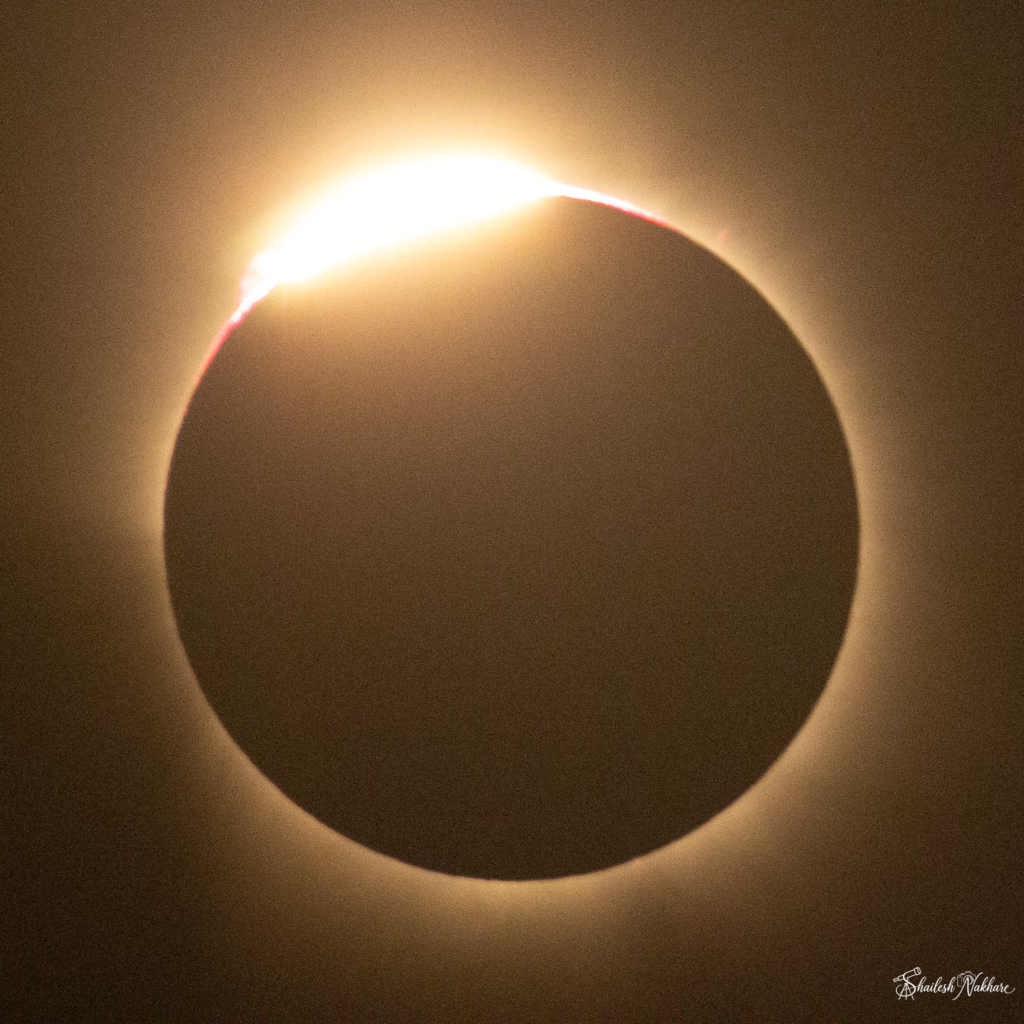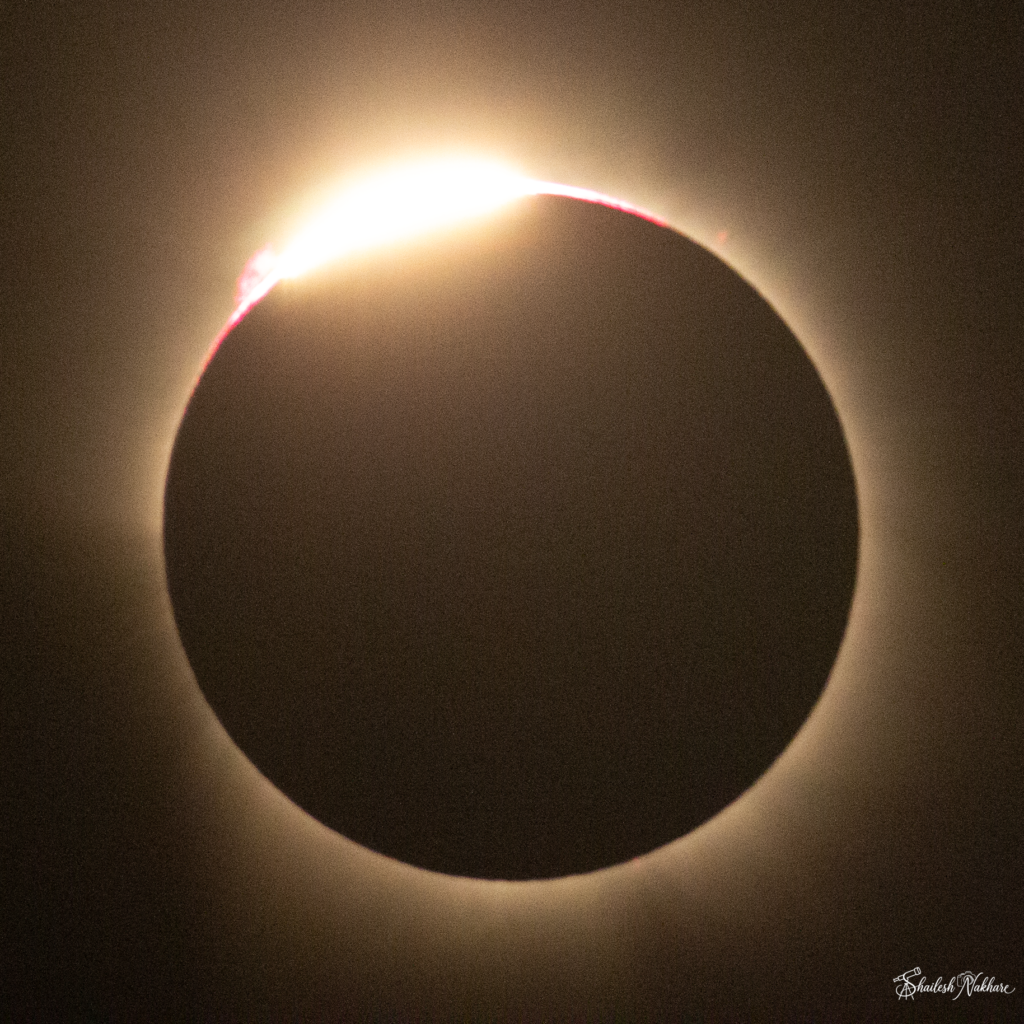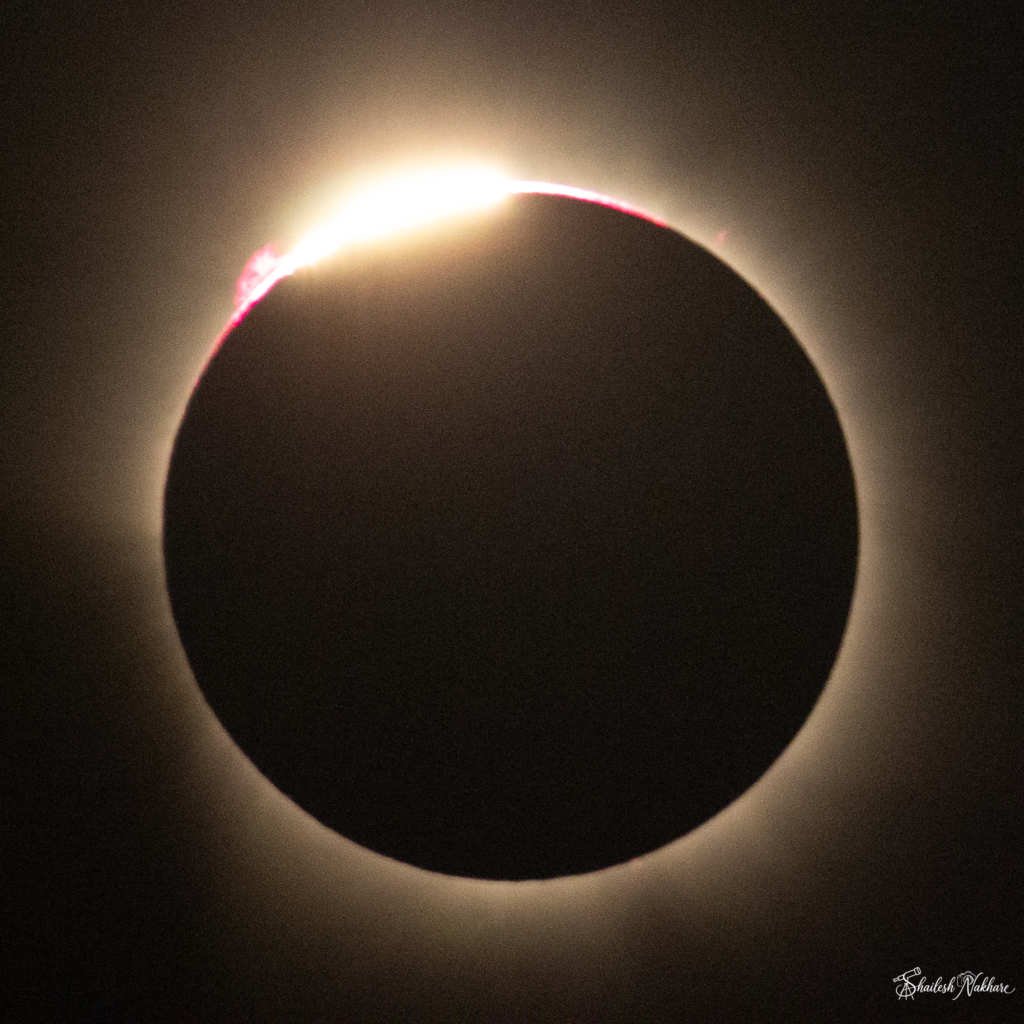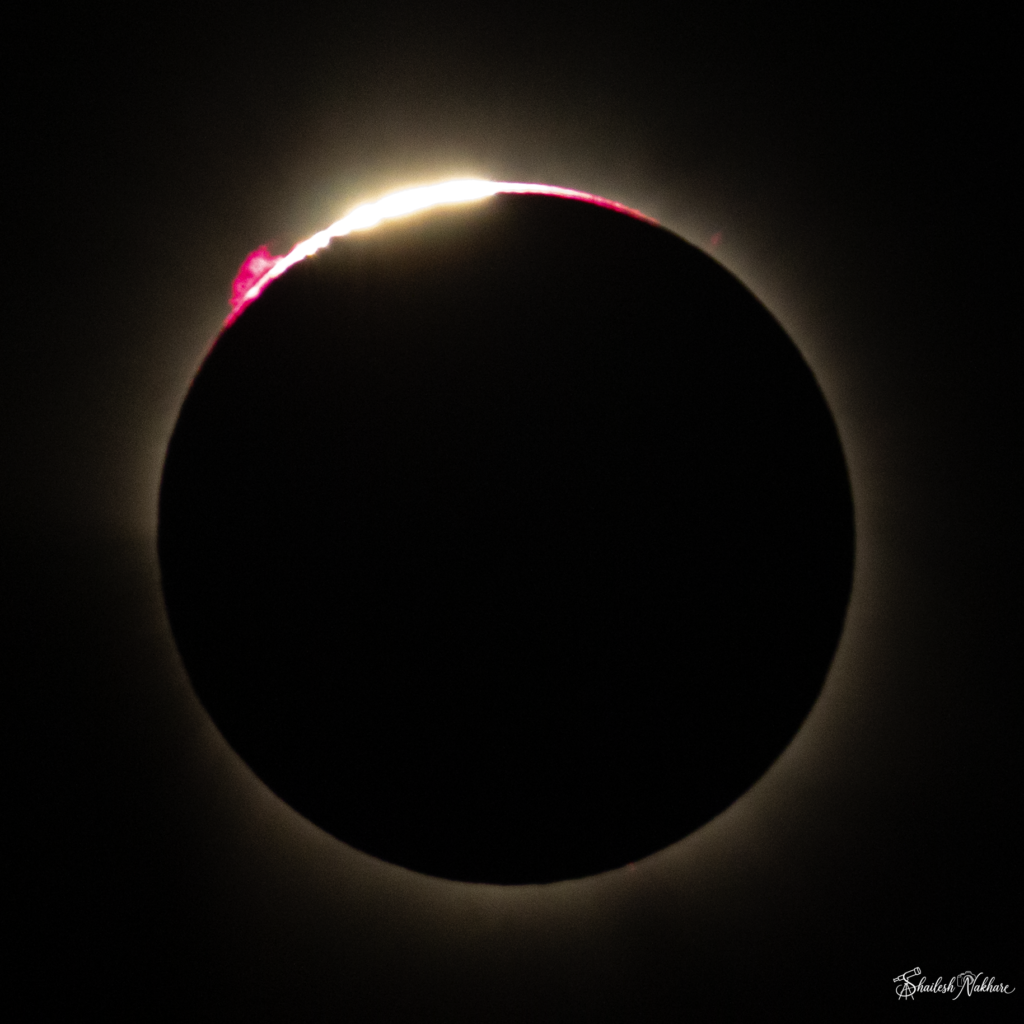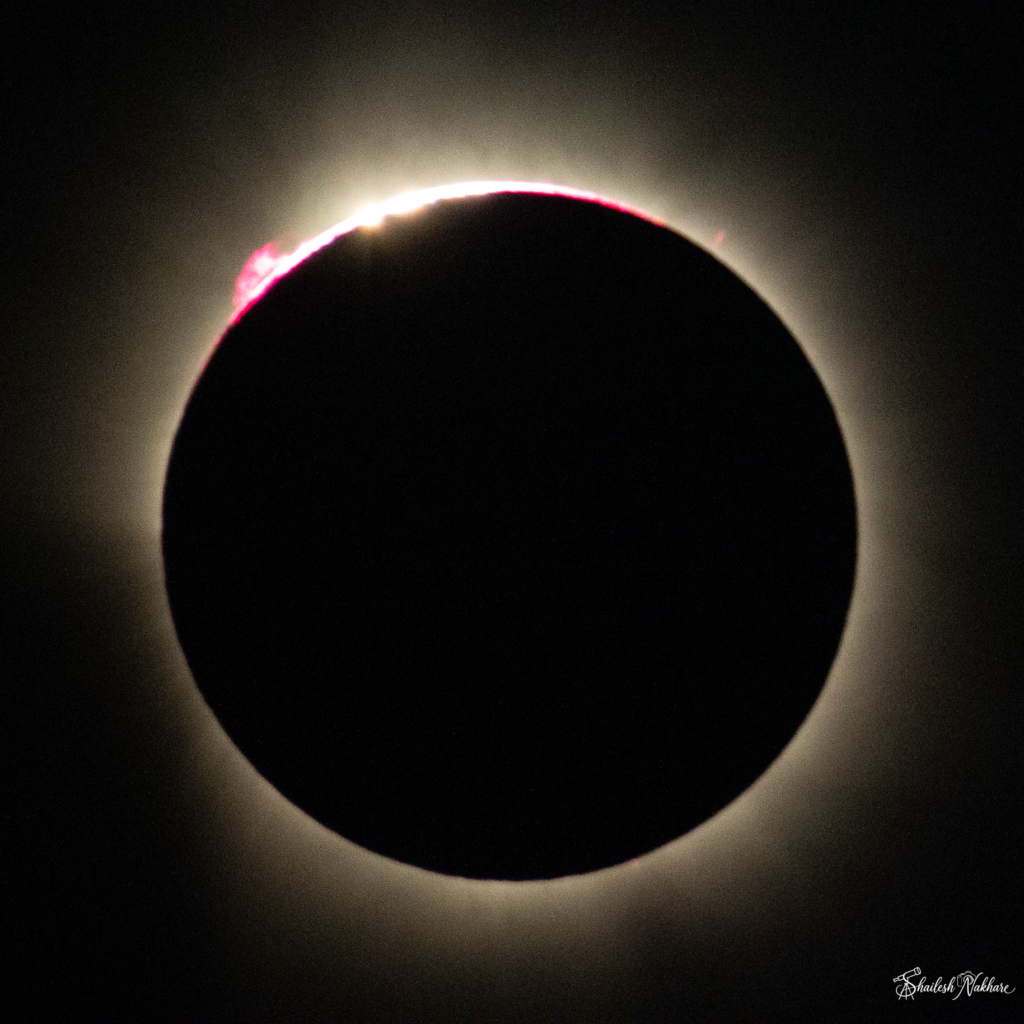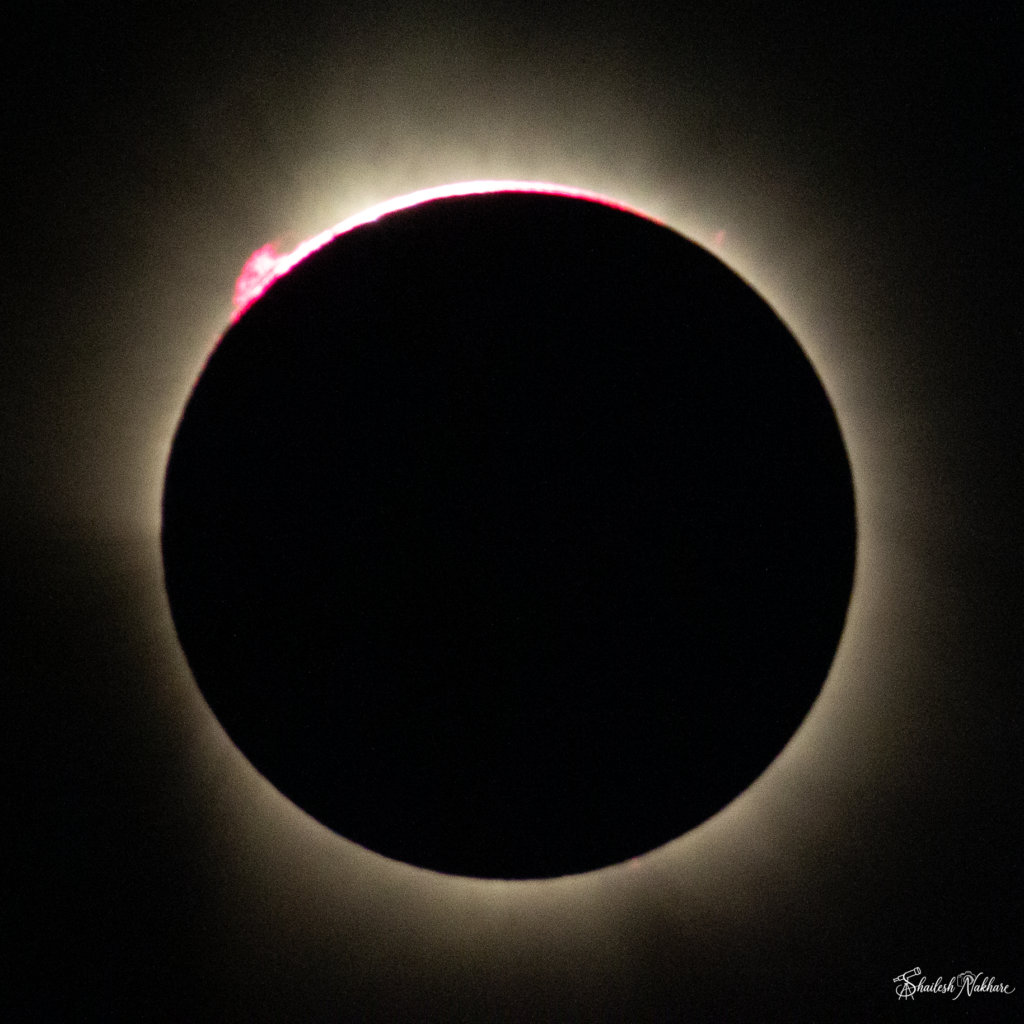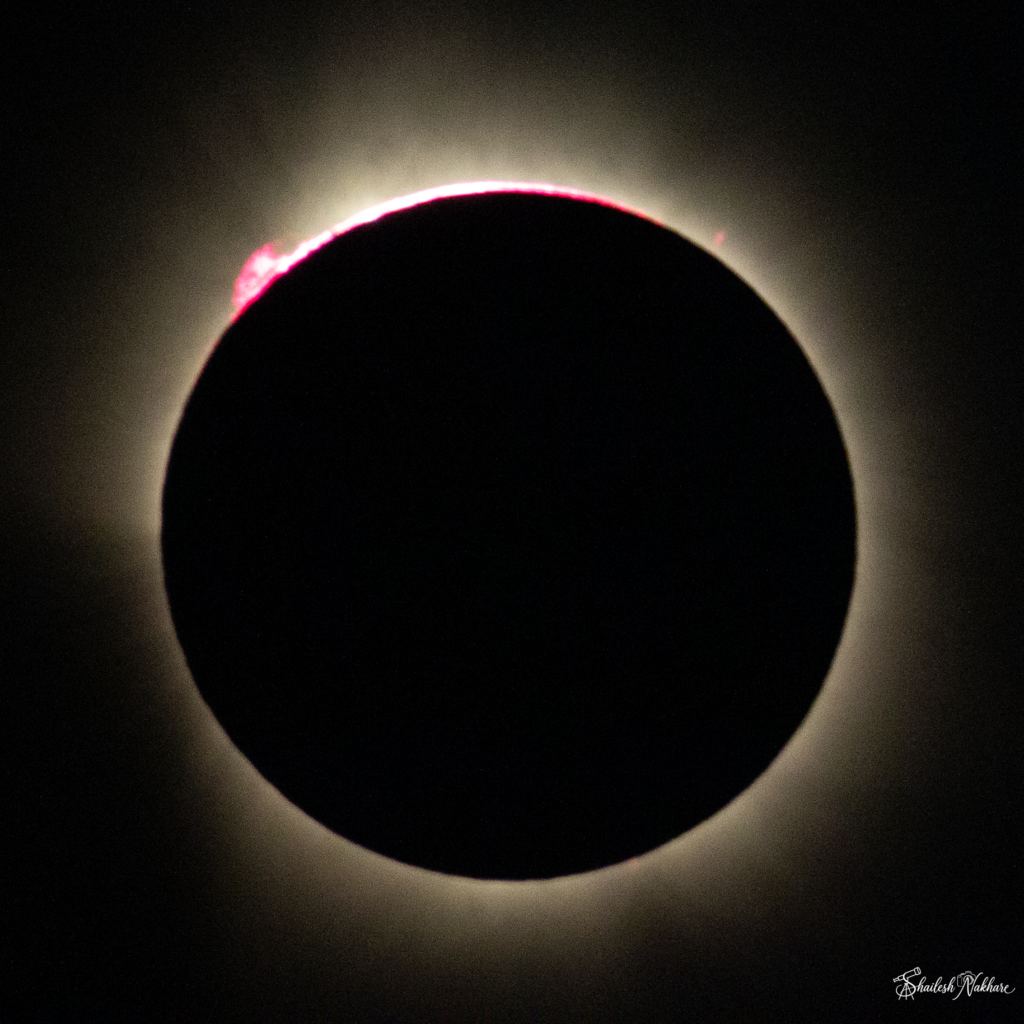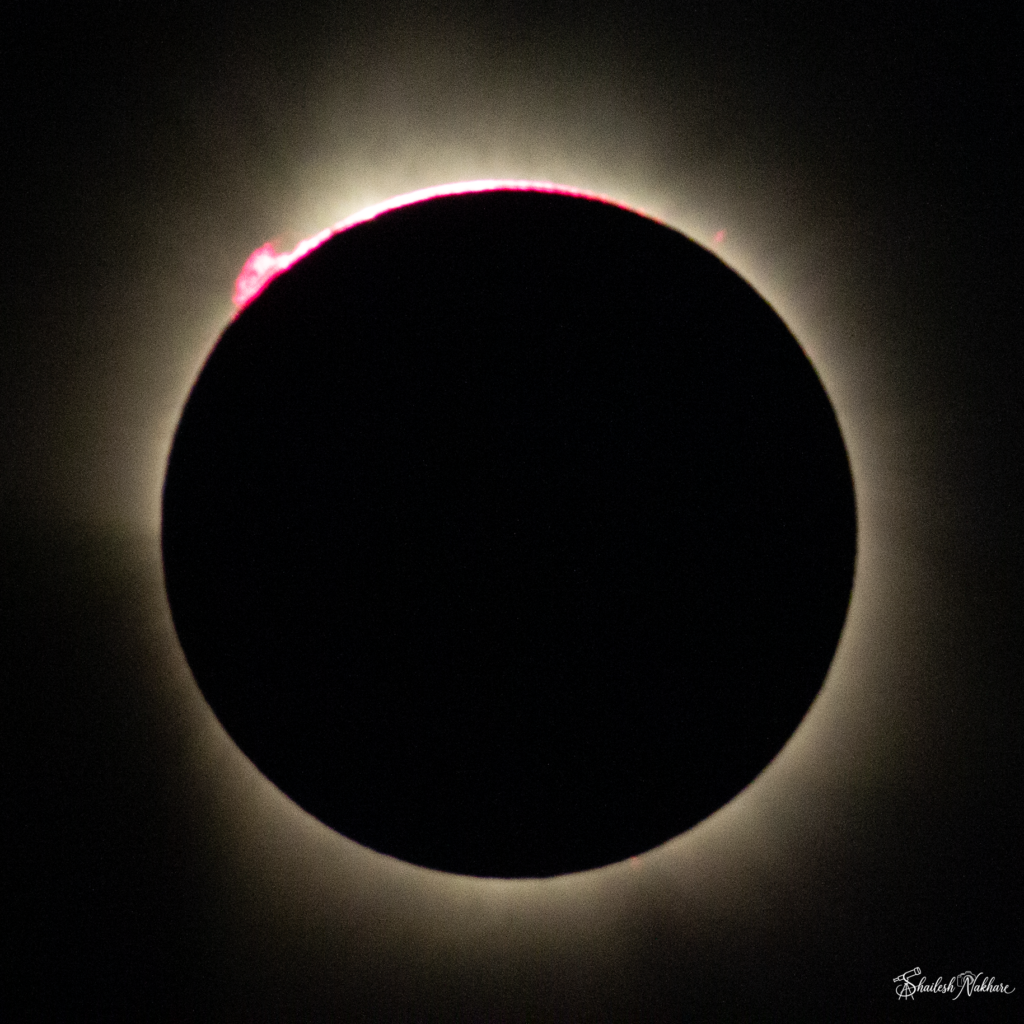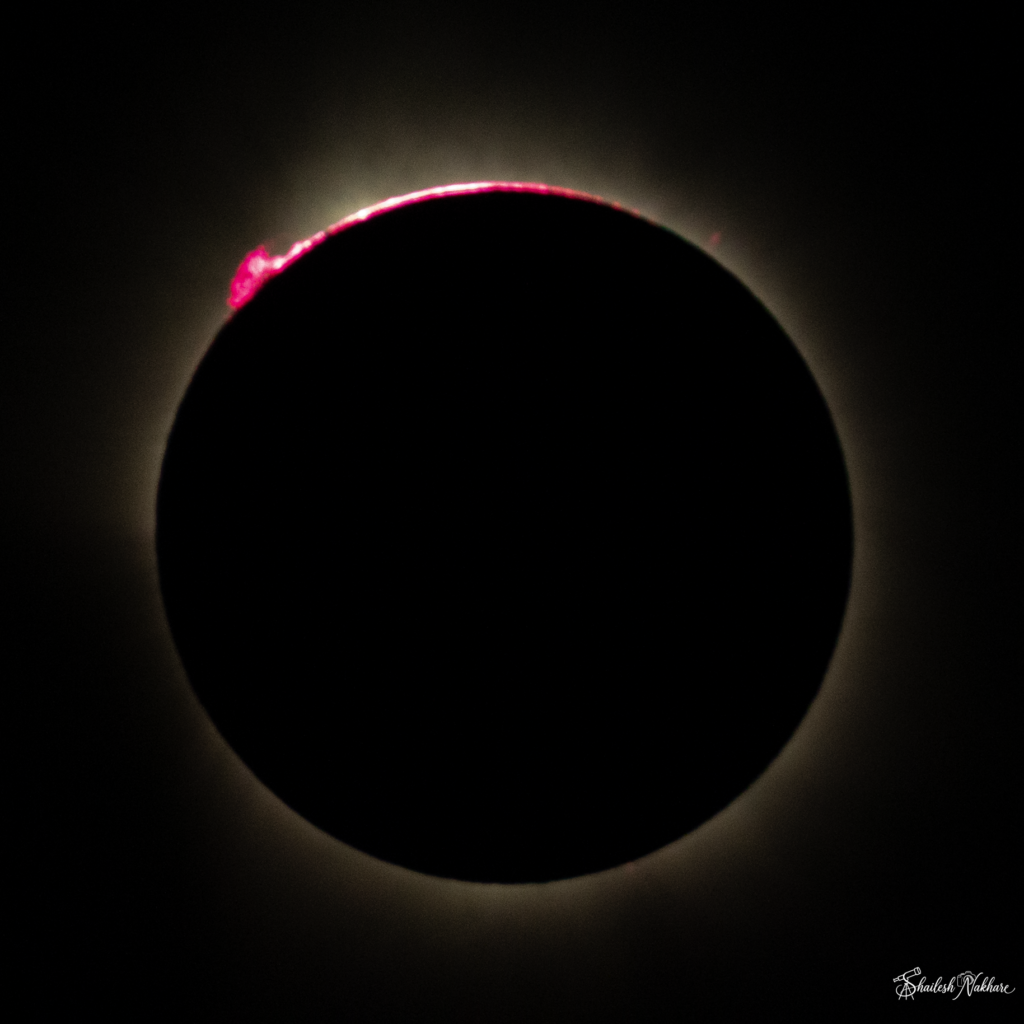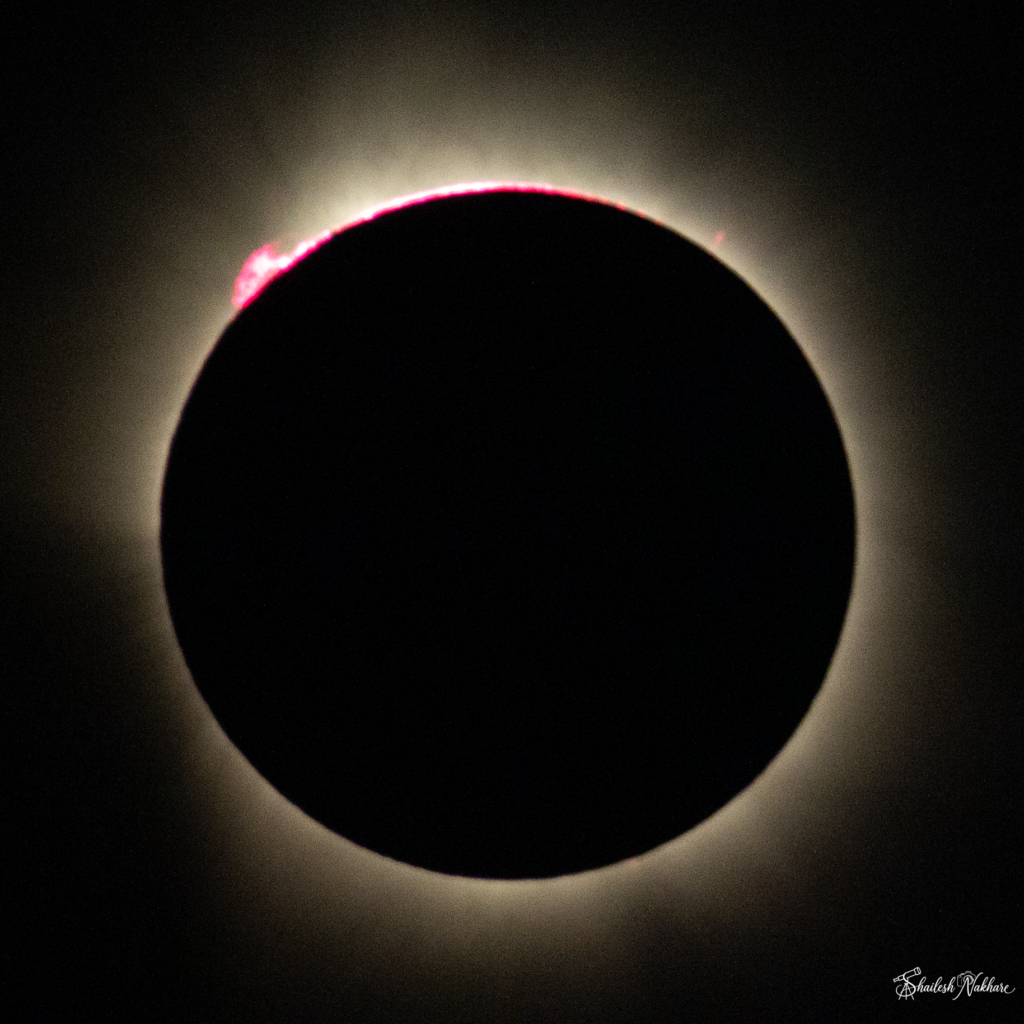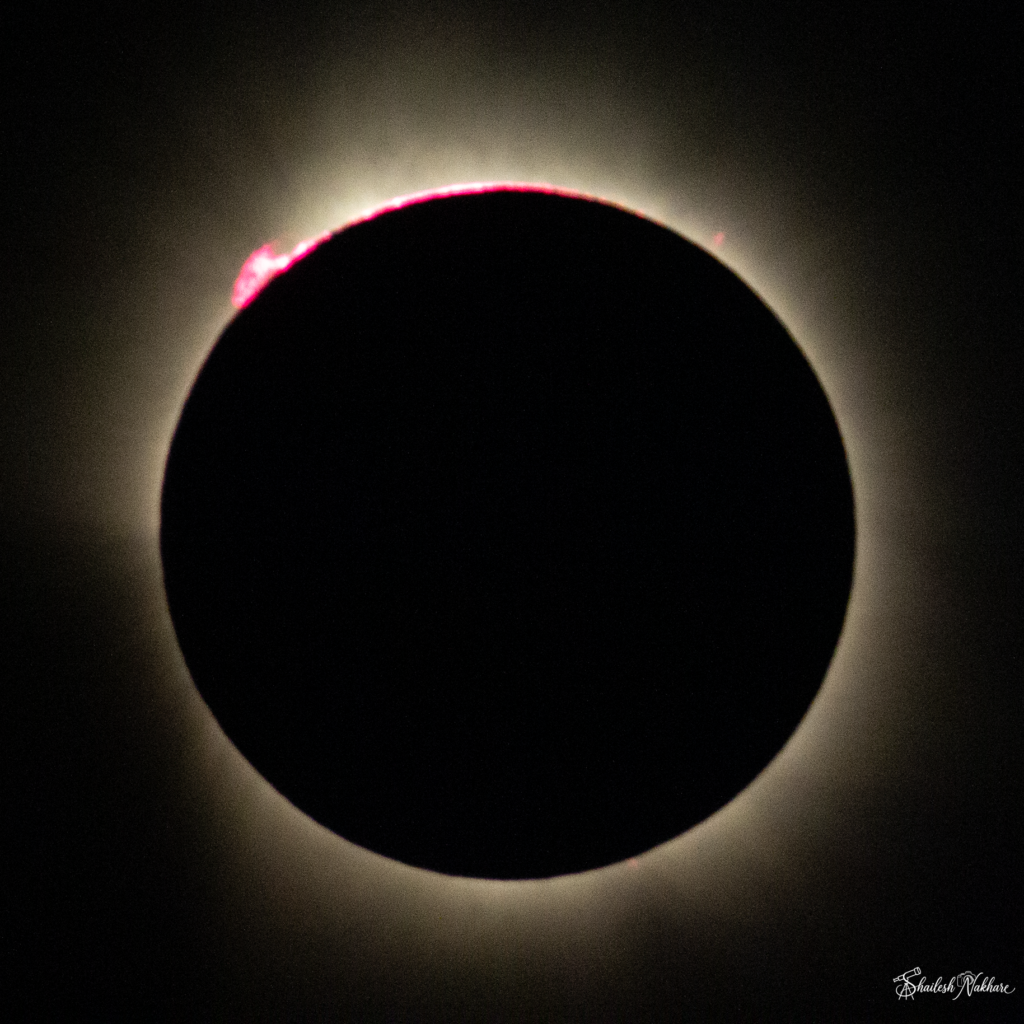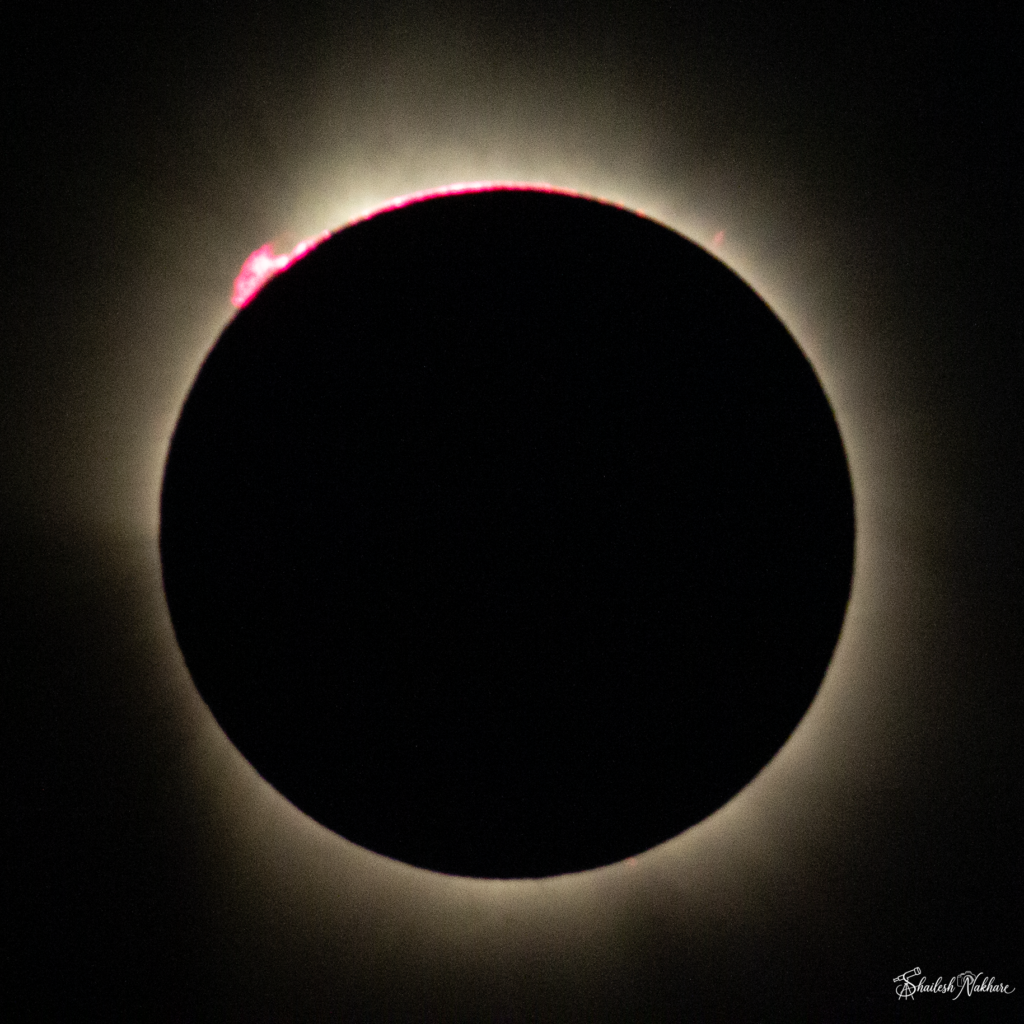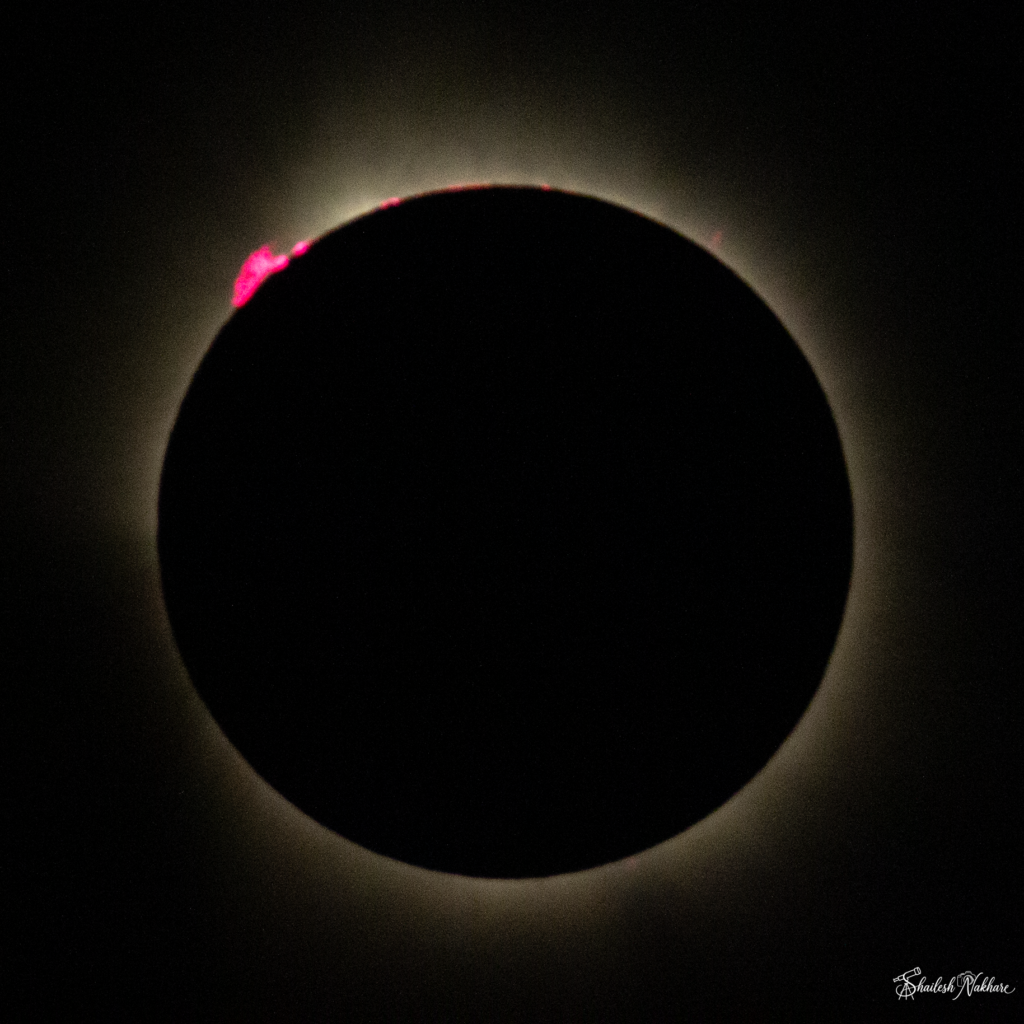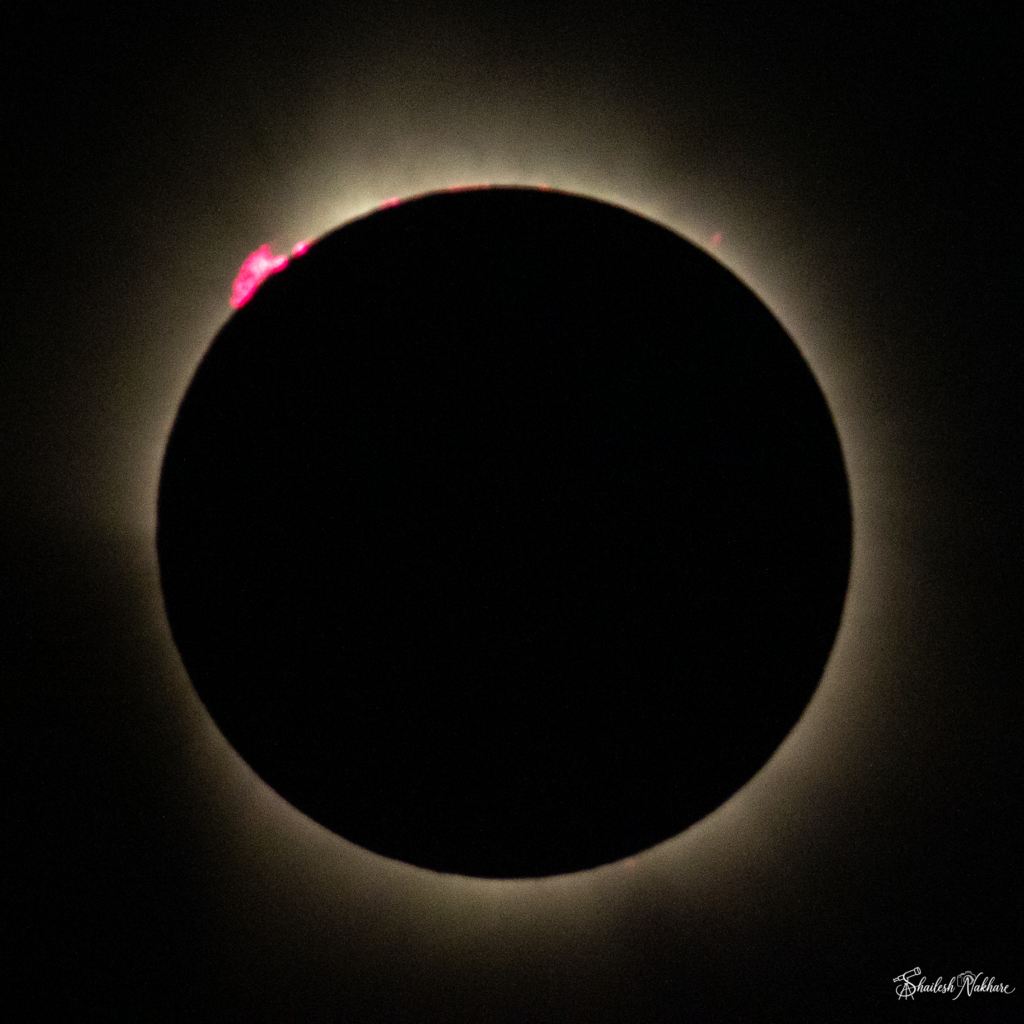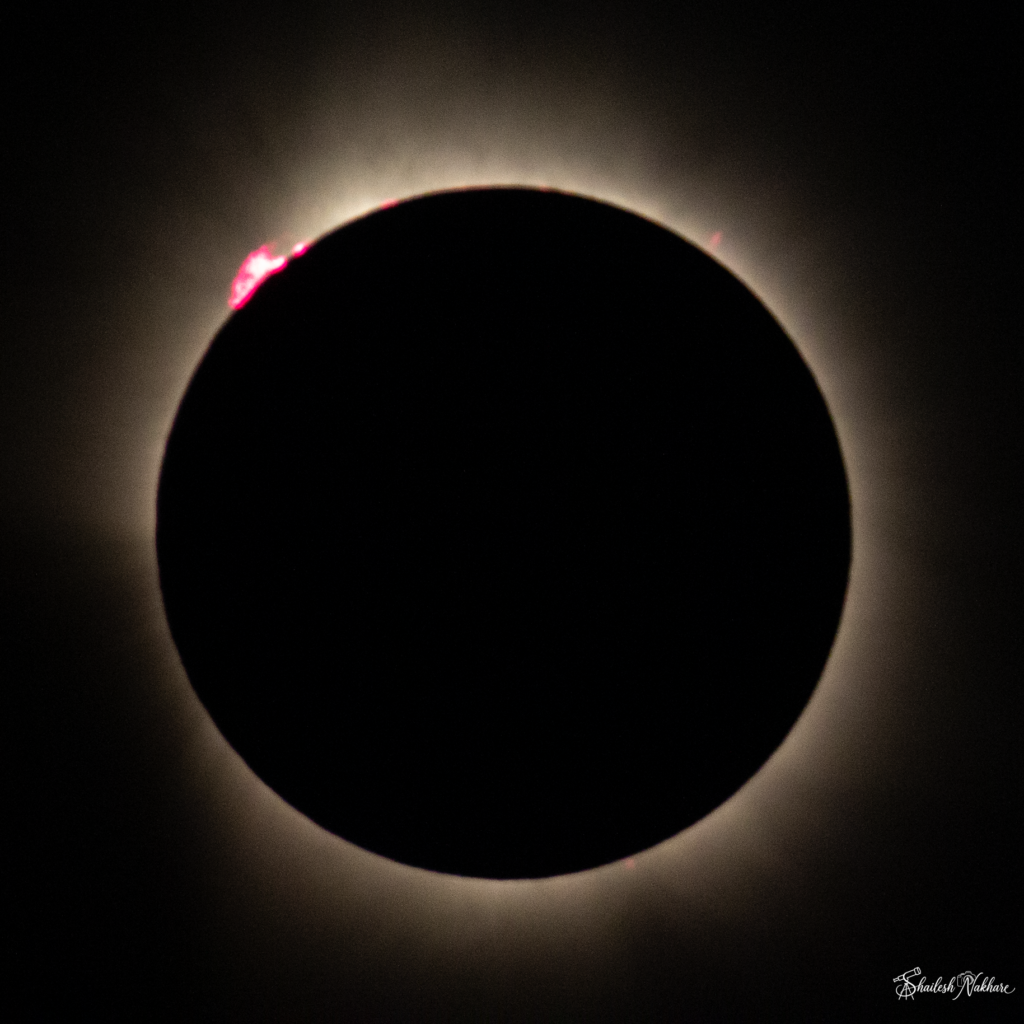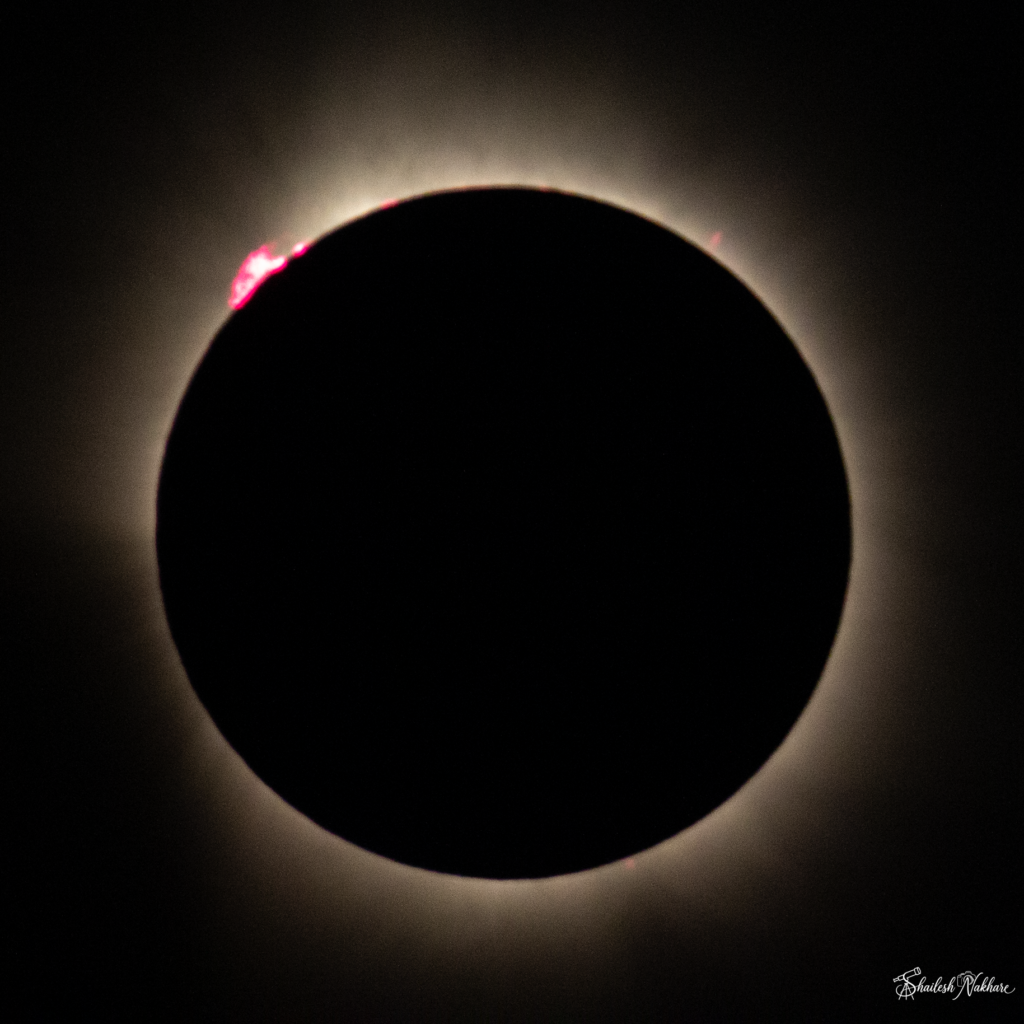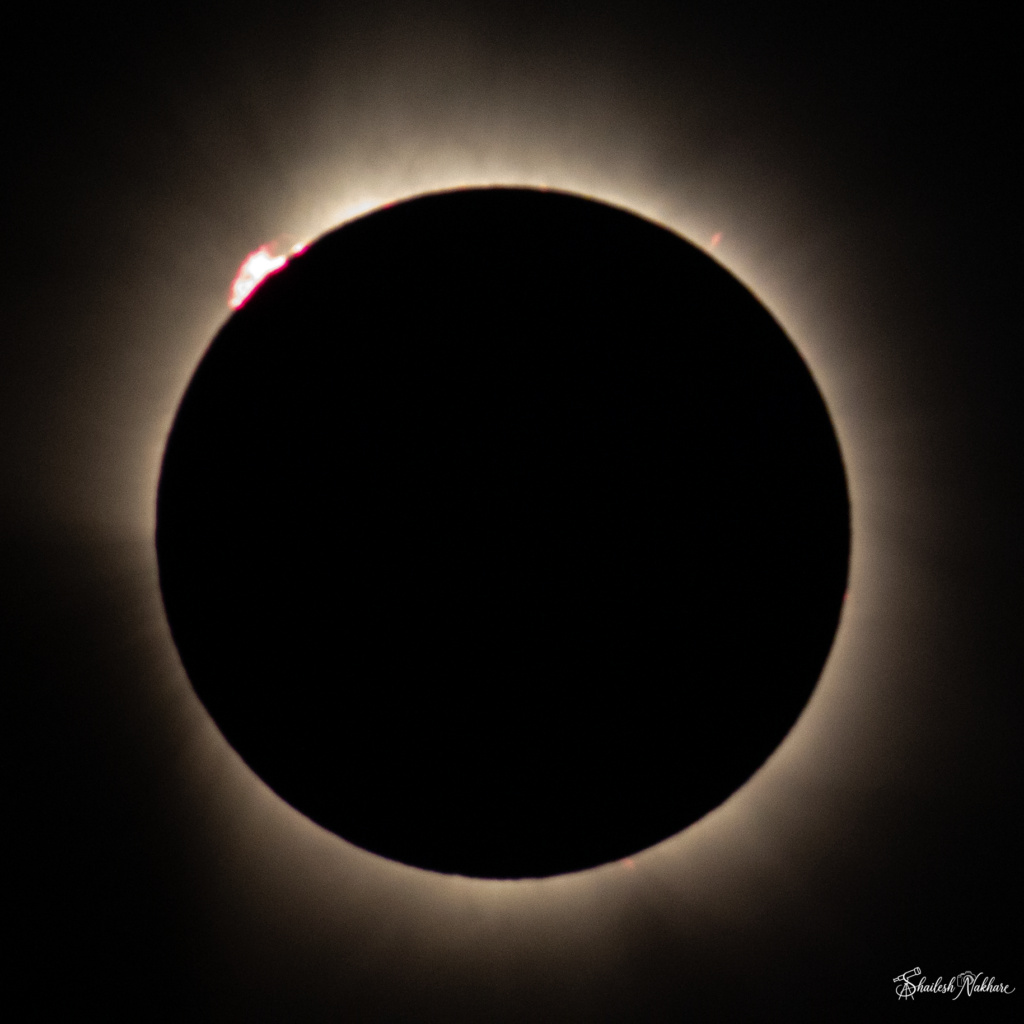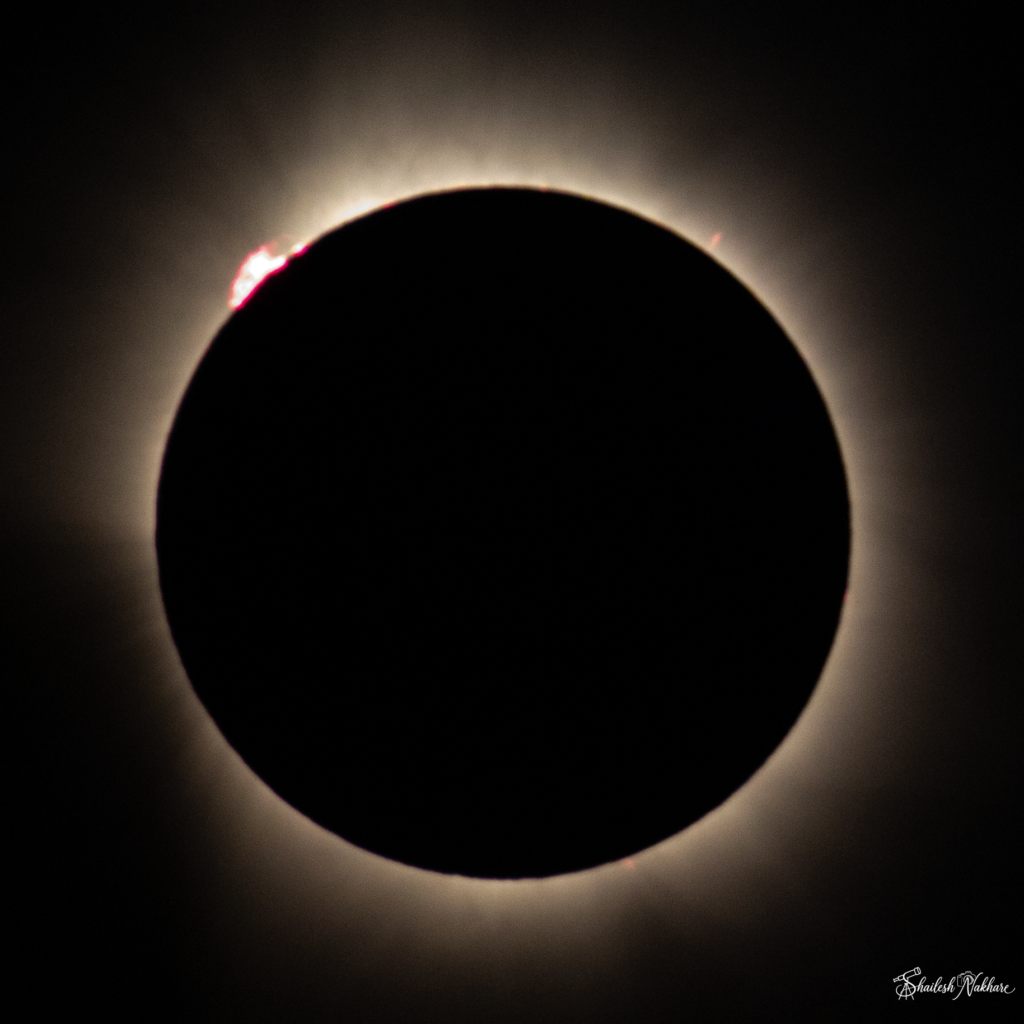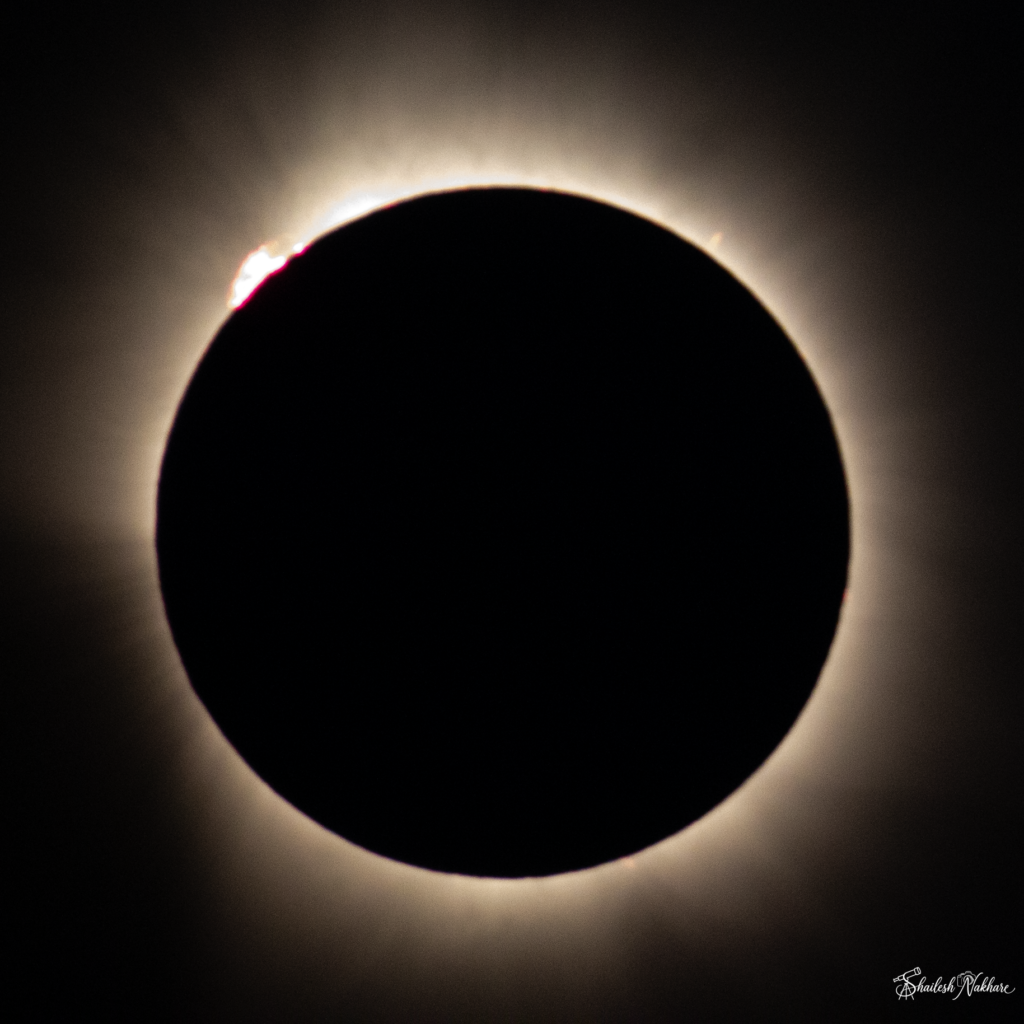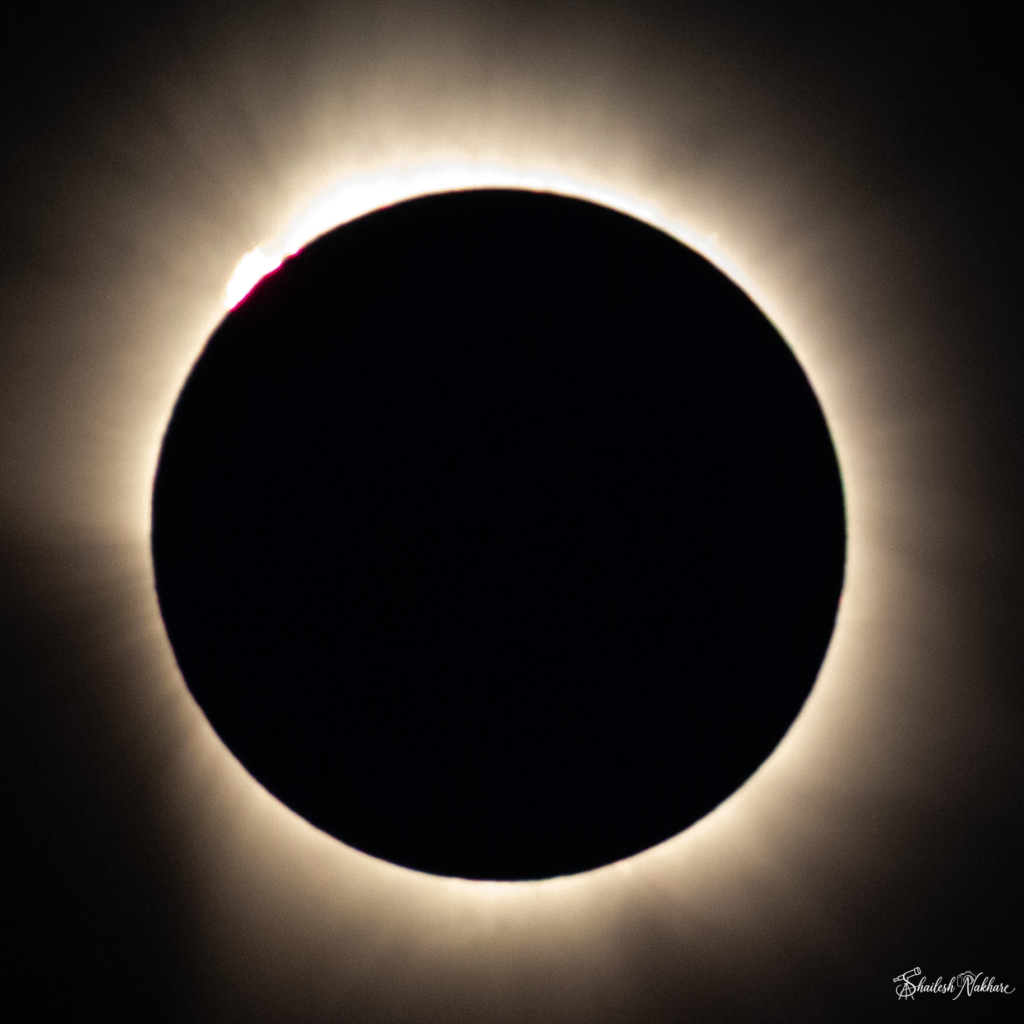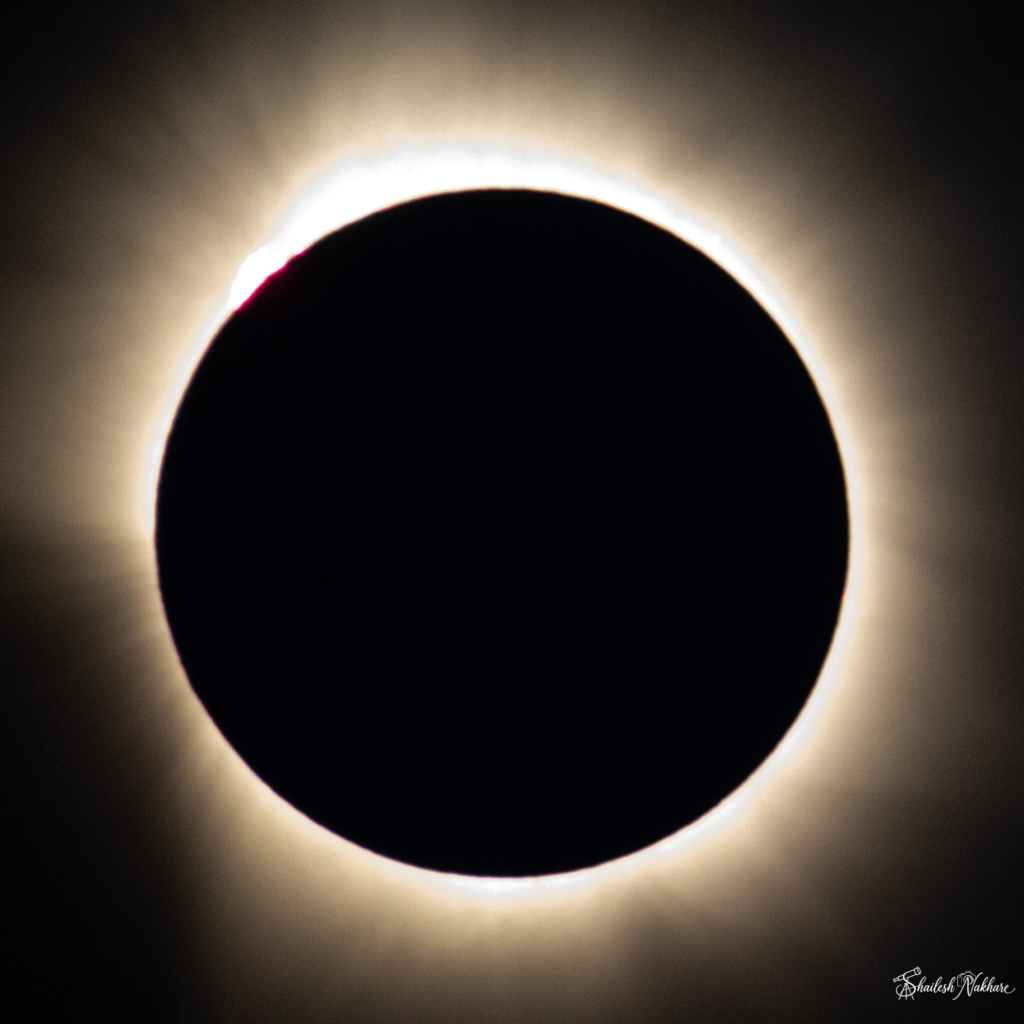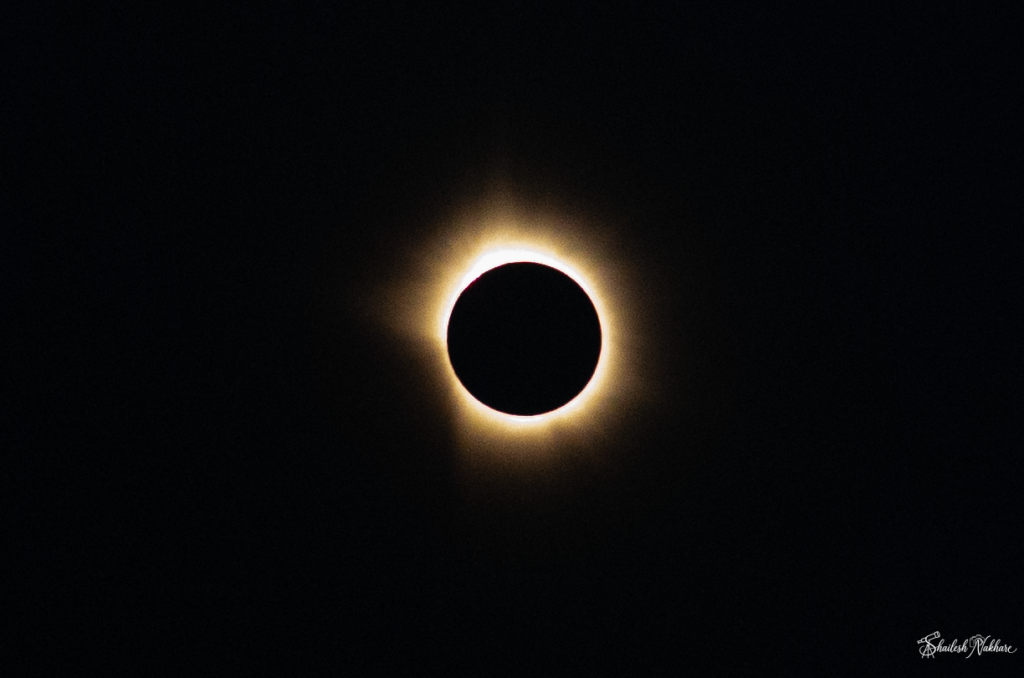
Witnessing and recording a total solar eclipse requires pushing mobile astrophotography to its limits. Operating under a low 10-degree sunset totality window in the high-plateau region of Soria, Spain, demanded a synchronized multi-rig observatory designed to capture everything from the finest micro-streamers of the solar corona to the dramatic darkening of the surrounding landscape.
Here is a breakdown of the overall imaging setup and the dedicated camera rigs that brought this celestial event to life.
The Overall Mobile Observatory Setup
To manage a complex field operation miles away from home, reliability and automation were everything. The hardware backbone relied on the following items from my mobile rig:
- The Mount: A high-precision ZWO AM5 strain wave harmonic drive mount, providing rock-solid tracking stability without the need for cumbersome counterweights.
- The Power Grid: Four TalentCell 100Wh batteries supplying isolated, clean power to the mounts, cameras, and computing units.
- The Command Center: Four Microsoft Surface Pro 5 tablets, each running an independent instance of SetNC software to execute automated, pre-scripted exposure bracketing and precise interval triggering down to a fraction of a second during the critical moments of totality.
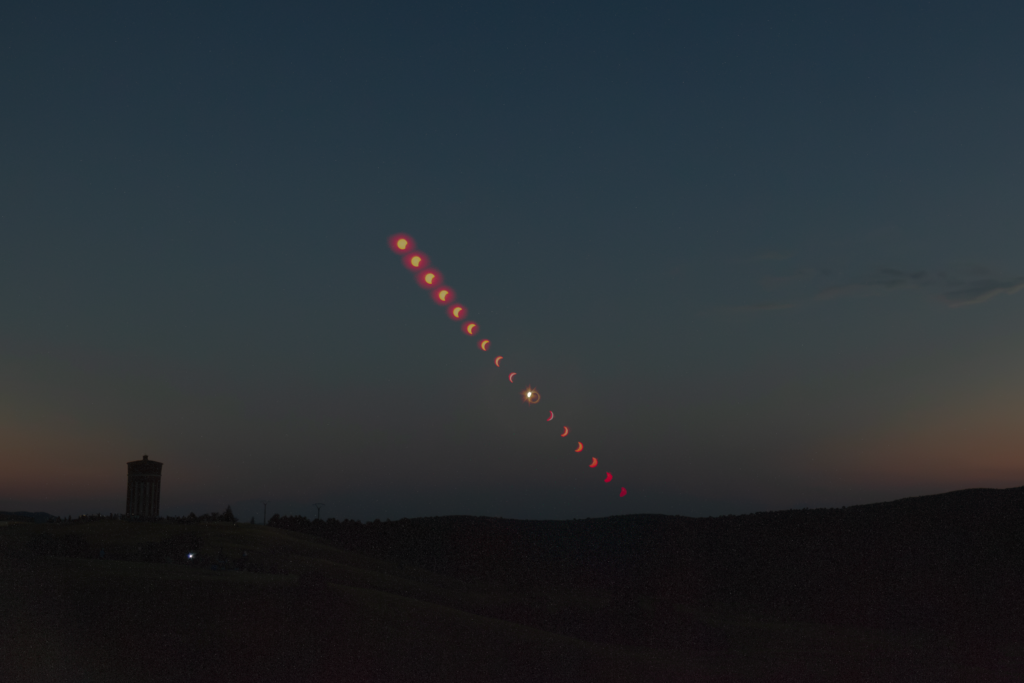
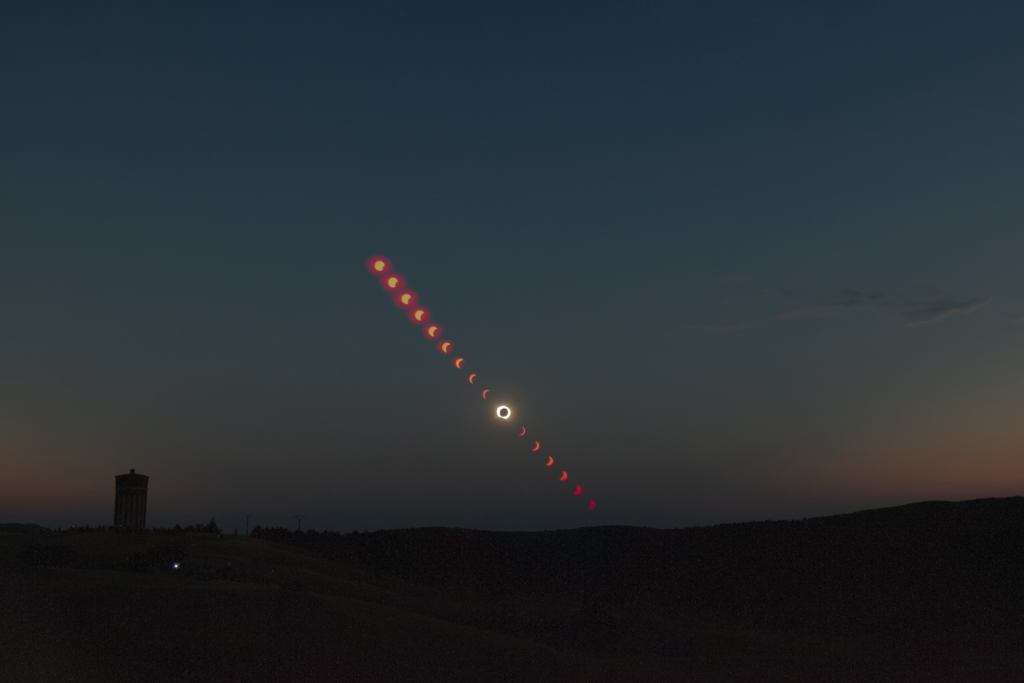
Rig 1: Stationary Landscape & Ambient Evolution (Canon T3i + Rokinon 14mm)
- Configuration: Stationary Canon T3i paired with a Rokinon 14mm ultra-wide lens on a fixed tripod.
- Purpose & Technical Role: Completely decoupled from the tracking mounts, this camera was dedicated to capturing the broader earthly perspective. It recorded the sunset horizon colors, the approach of the lunar shadow across the Soria landscape, and the silhouette of the local landscape in Abejar, Spain
- Featured Images:
Rig 2: Wide/Mid-Field Corona (Canon 6D + Rokinon 135mm)
- Configuration: Canon 6D paired with the sharp Rokinon 135mm f/2 prime lens.
- Purpose & Technical Role: Positioned to capture a wider, sweeping field of view of the entire solar corona while simultaneously revealing additional artifacts visible during totality. The fast f/2 aperture allowed for rich, deep exposures of the atmospheric halo.
- Featured Images:
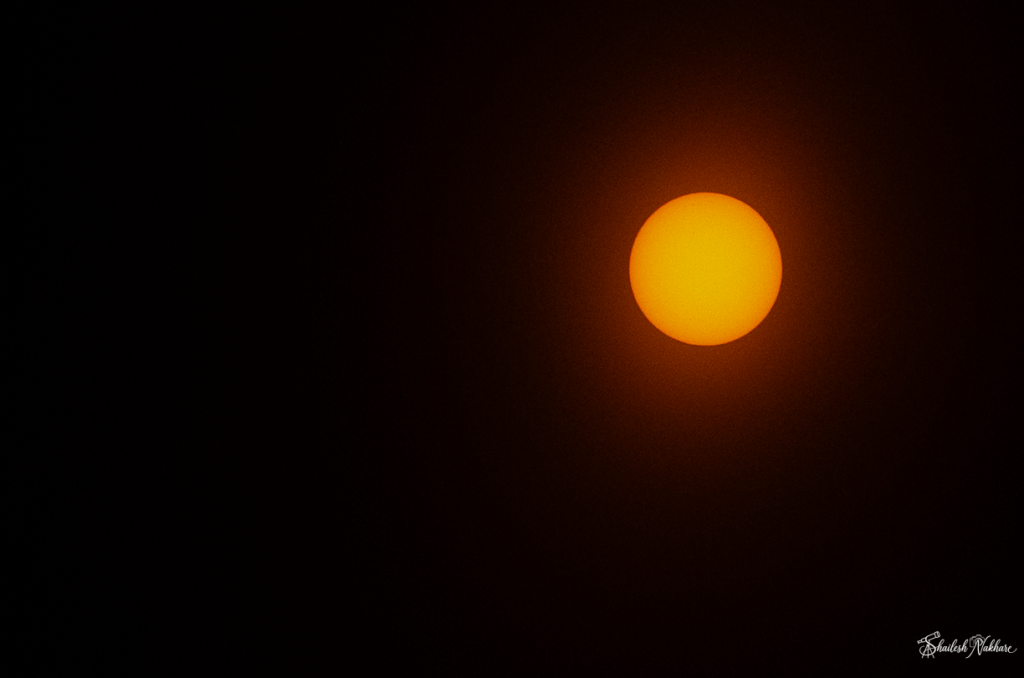
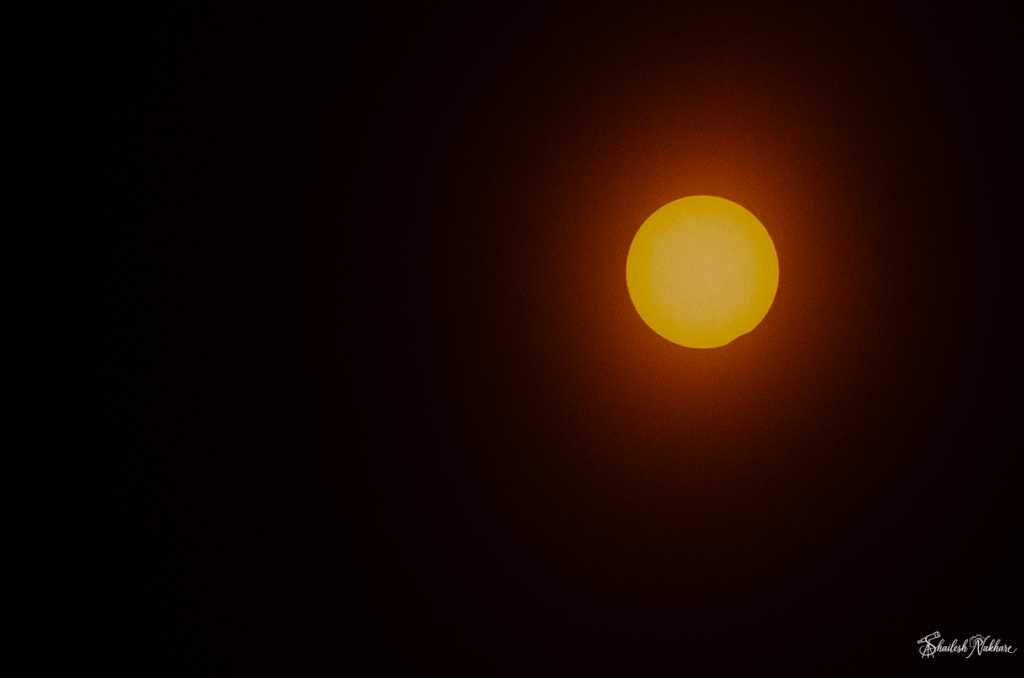
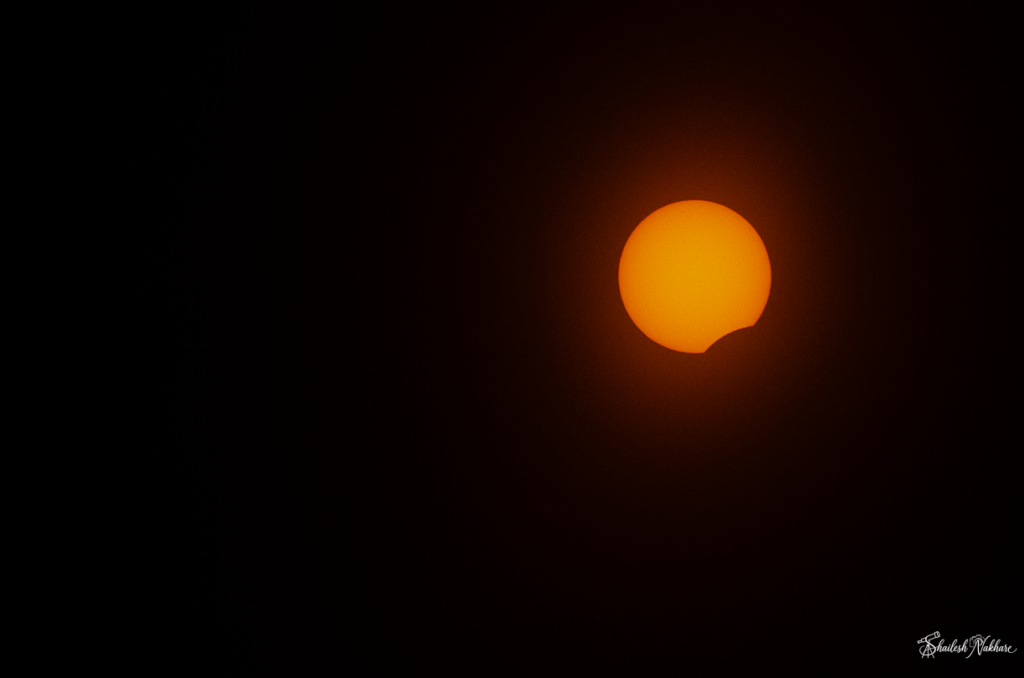
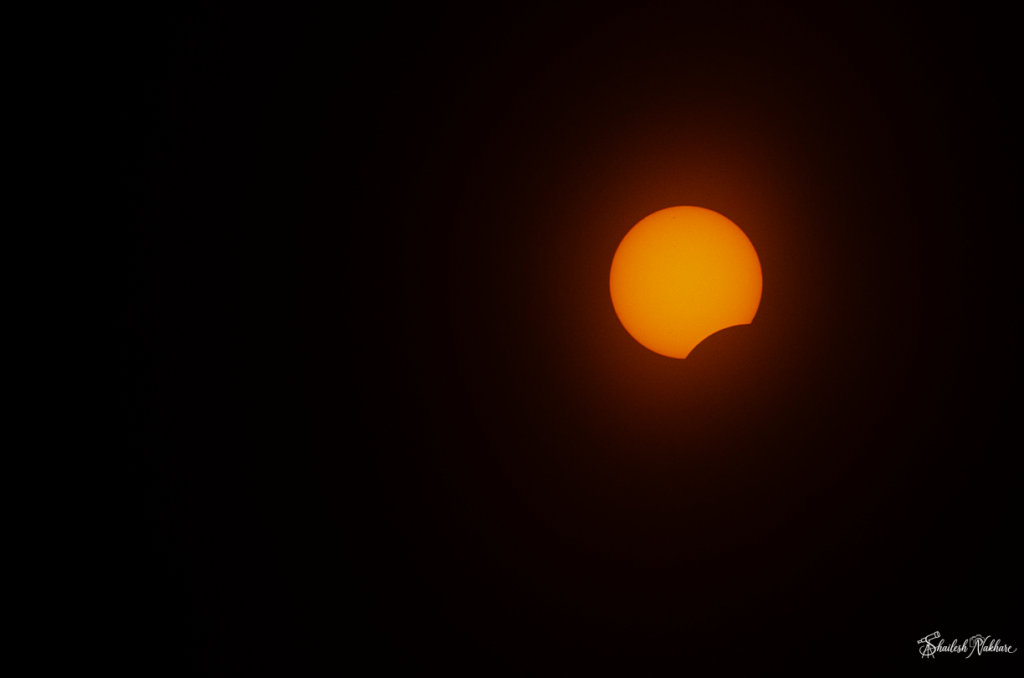
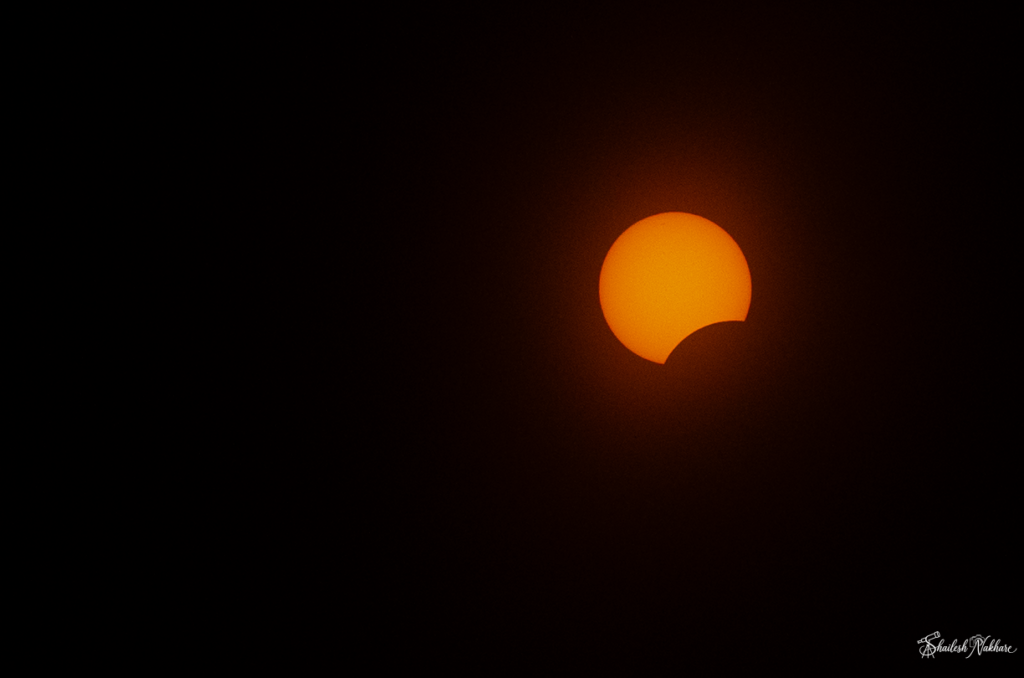
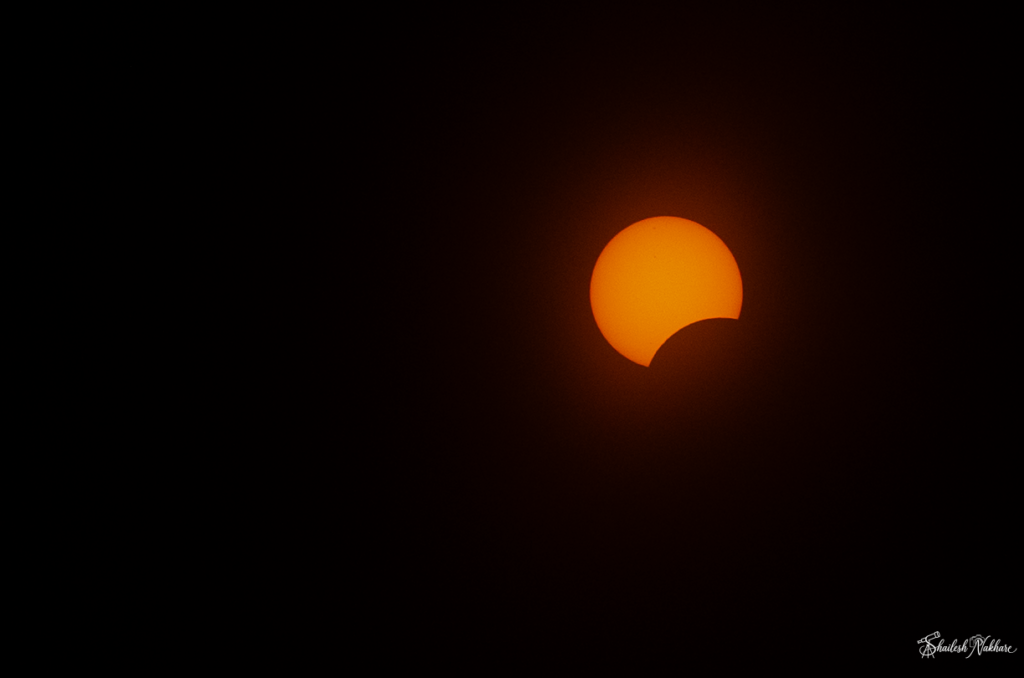
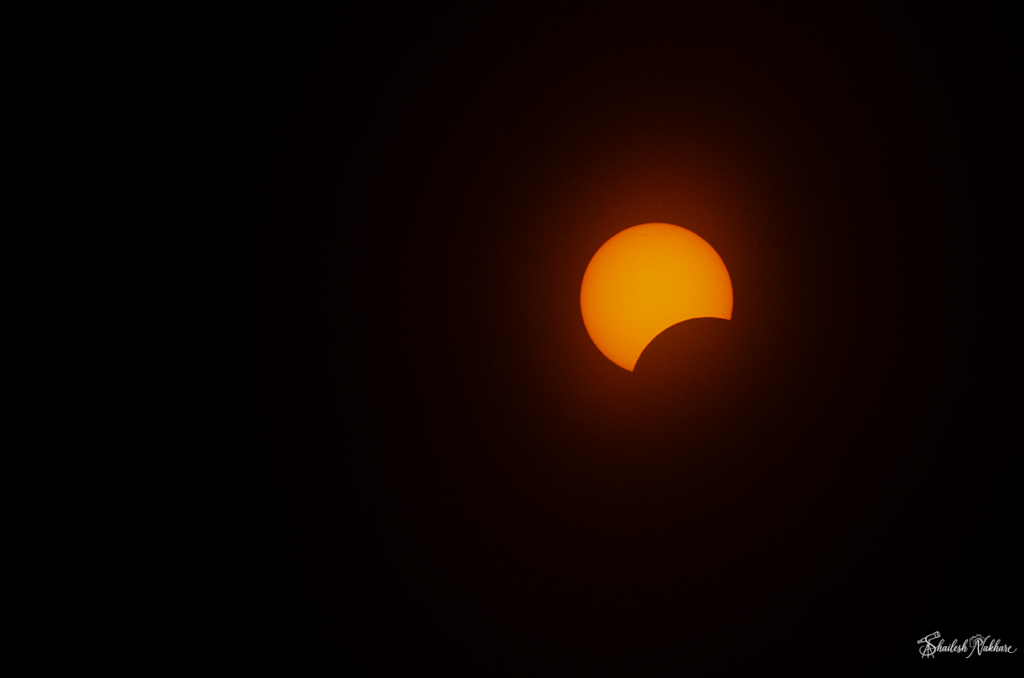
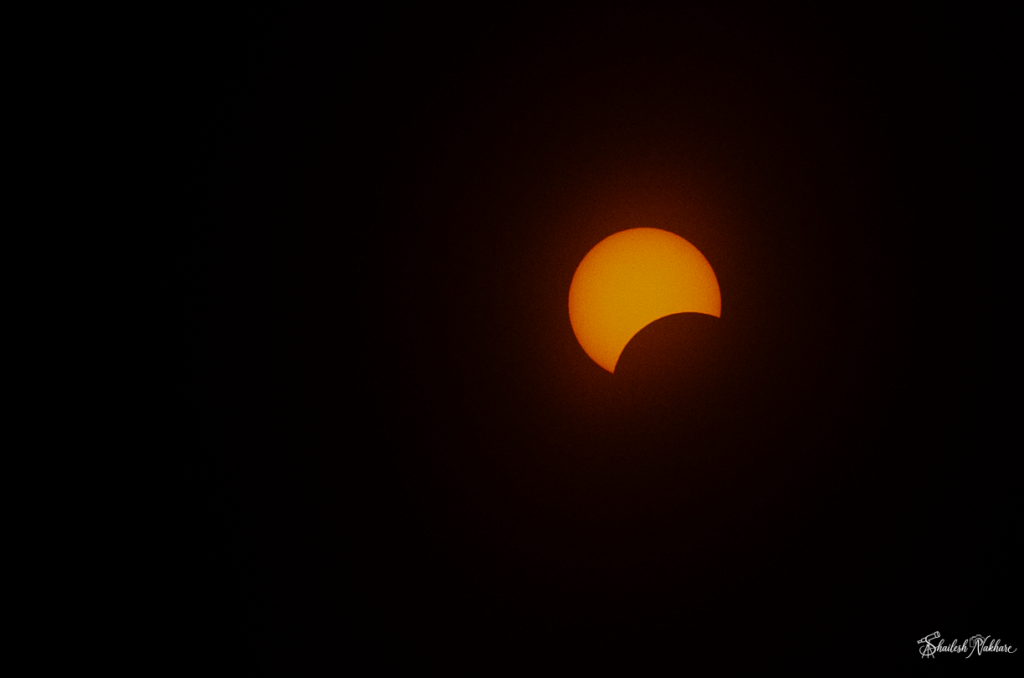
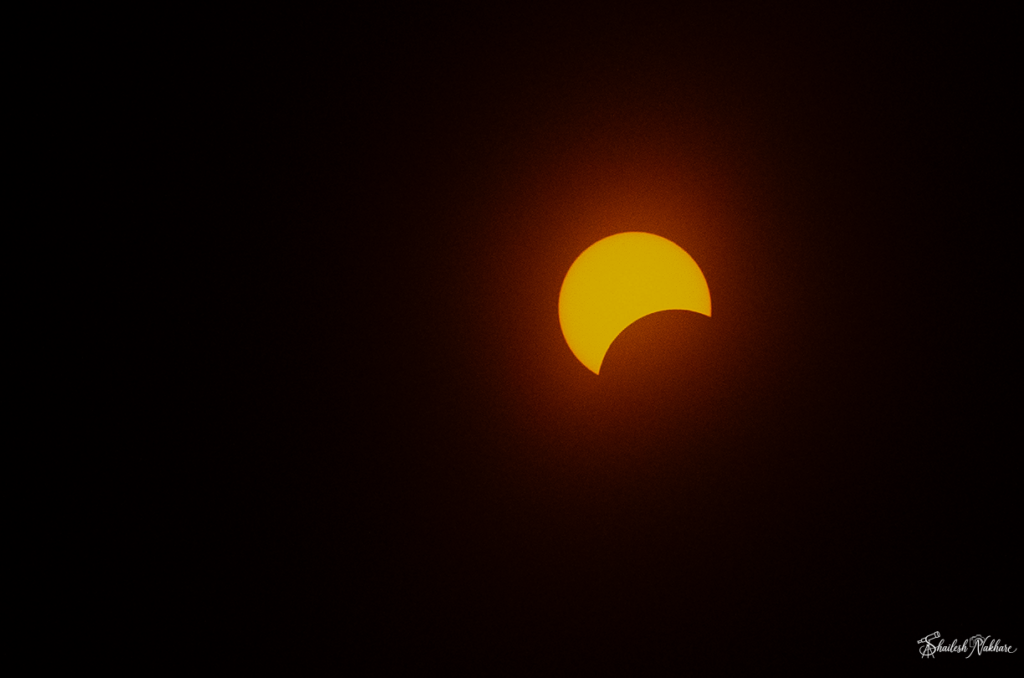
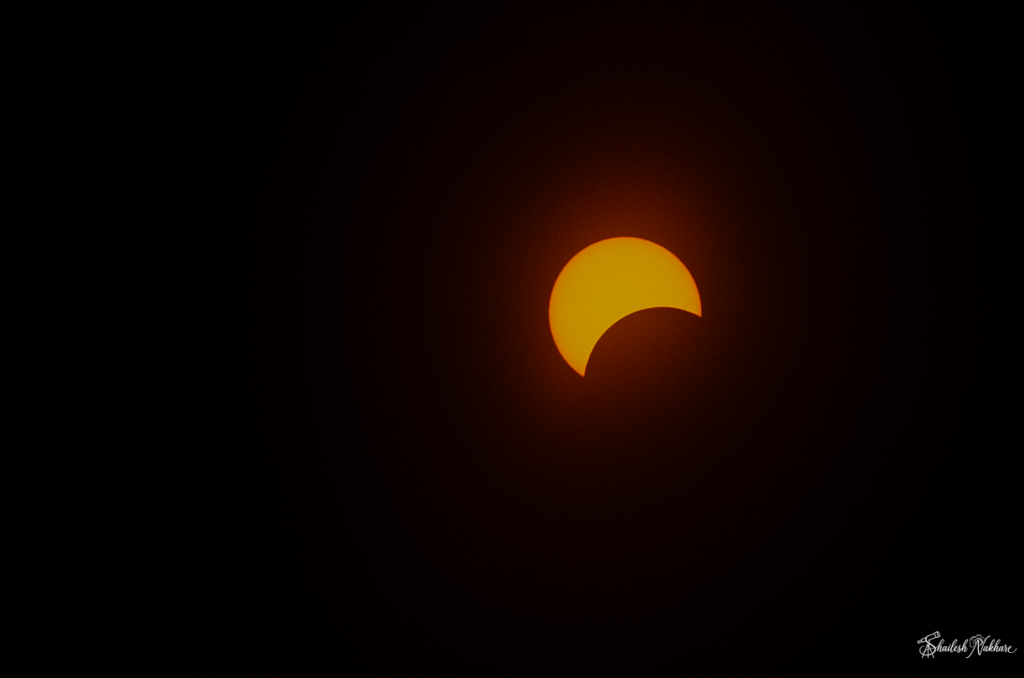
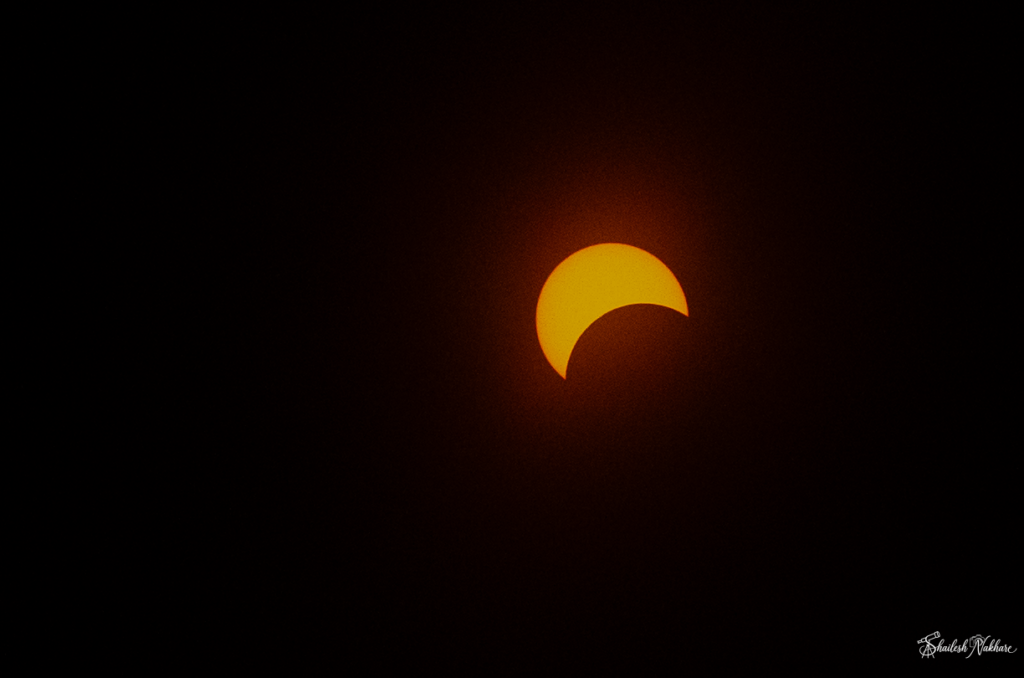
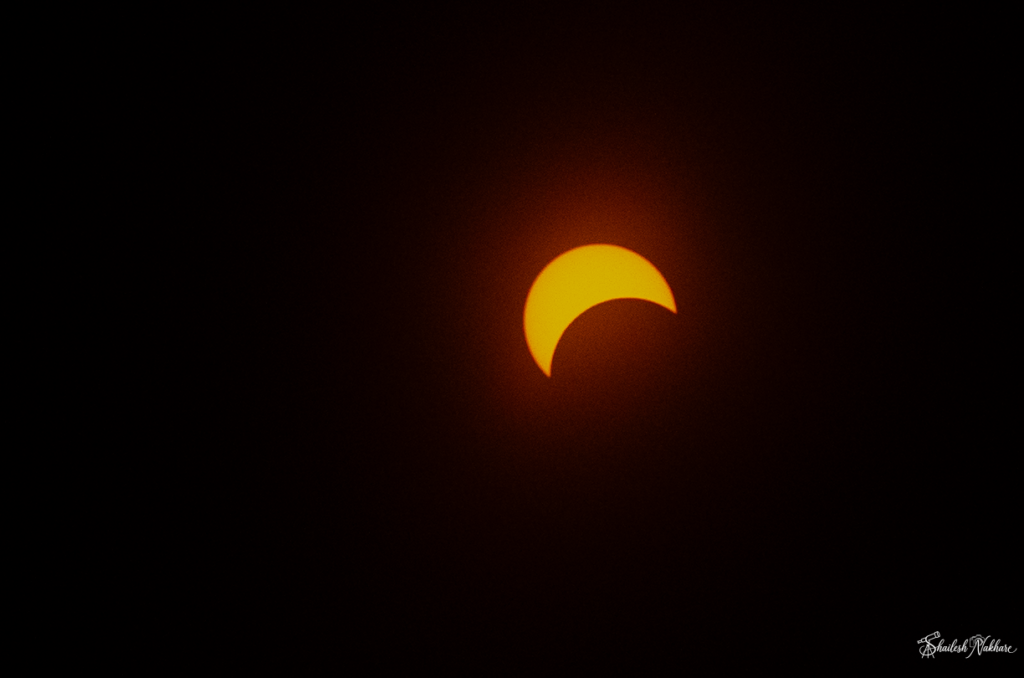
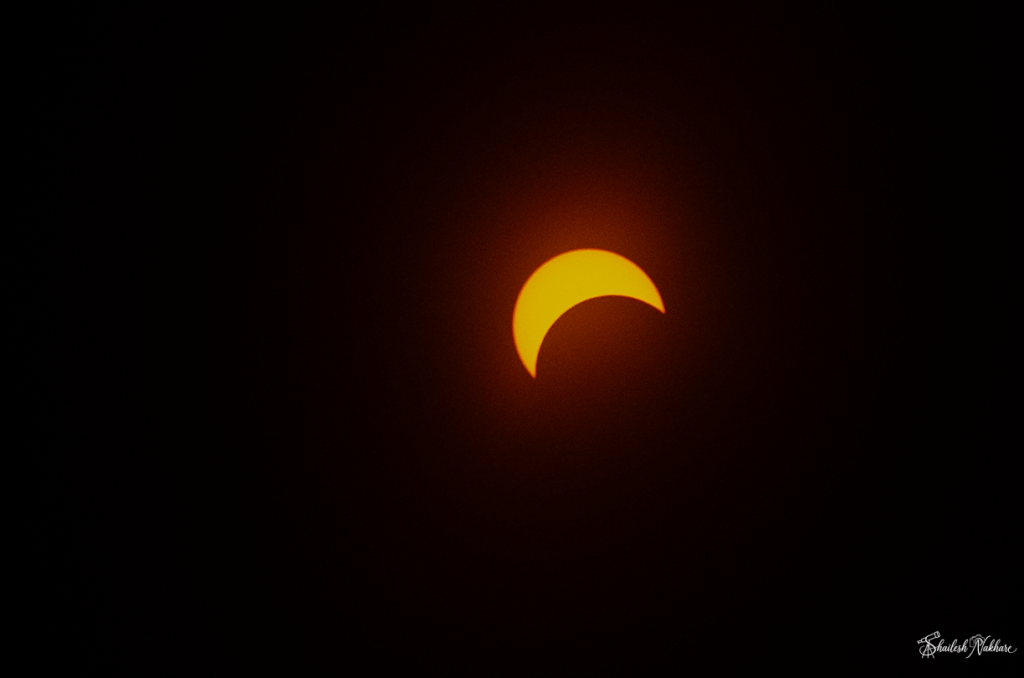
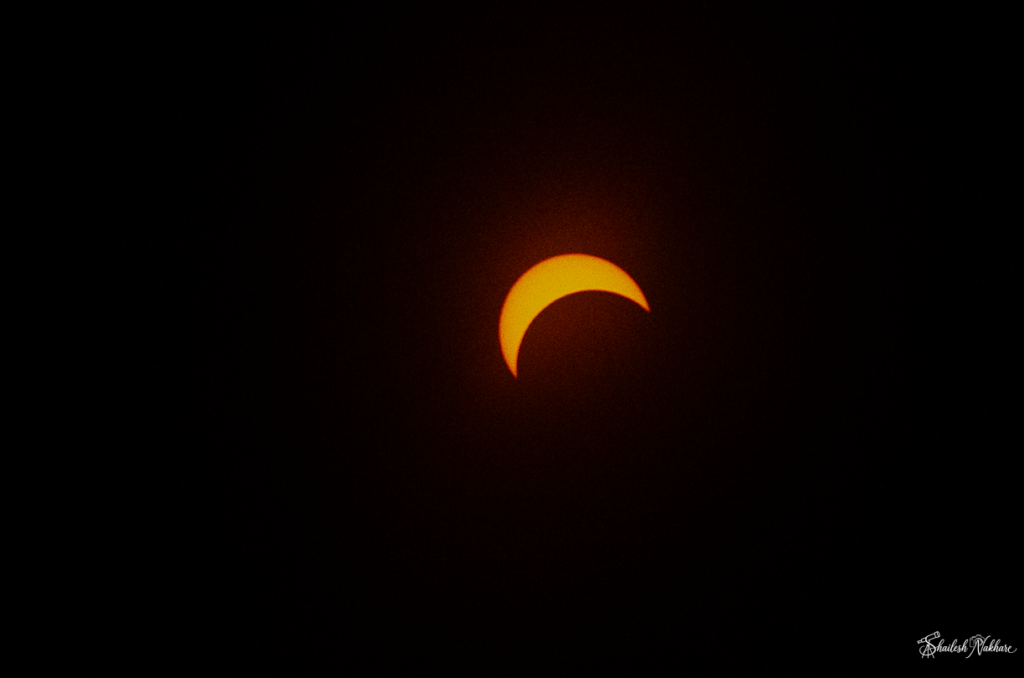
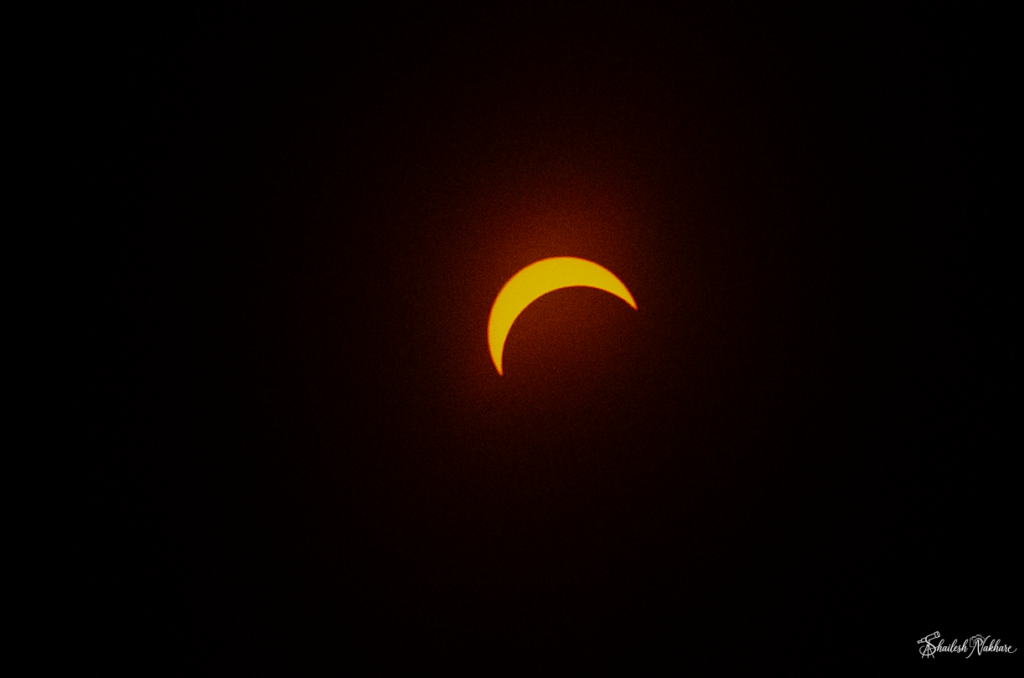
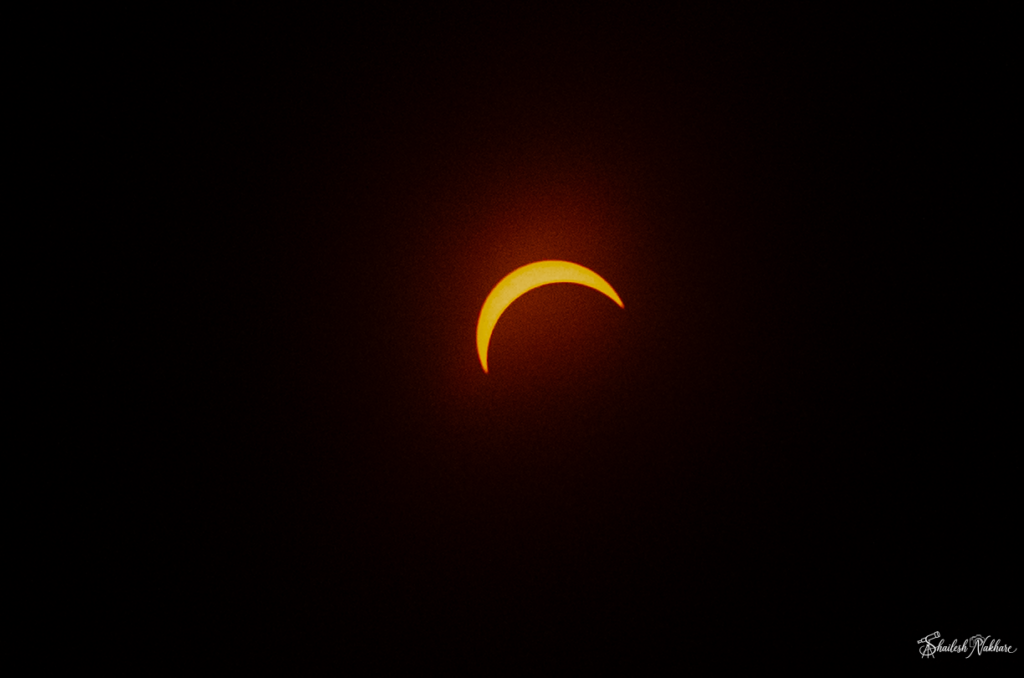
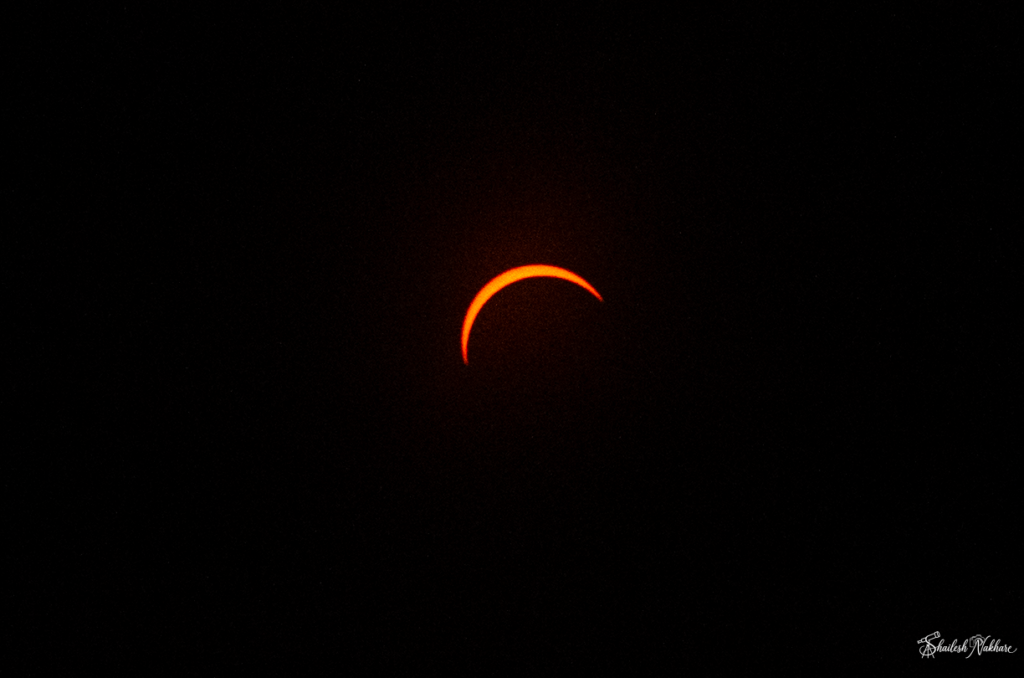
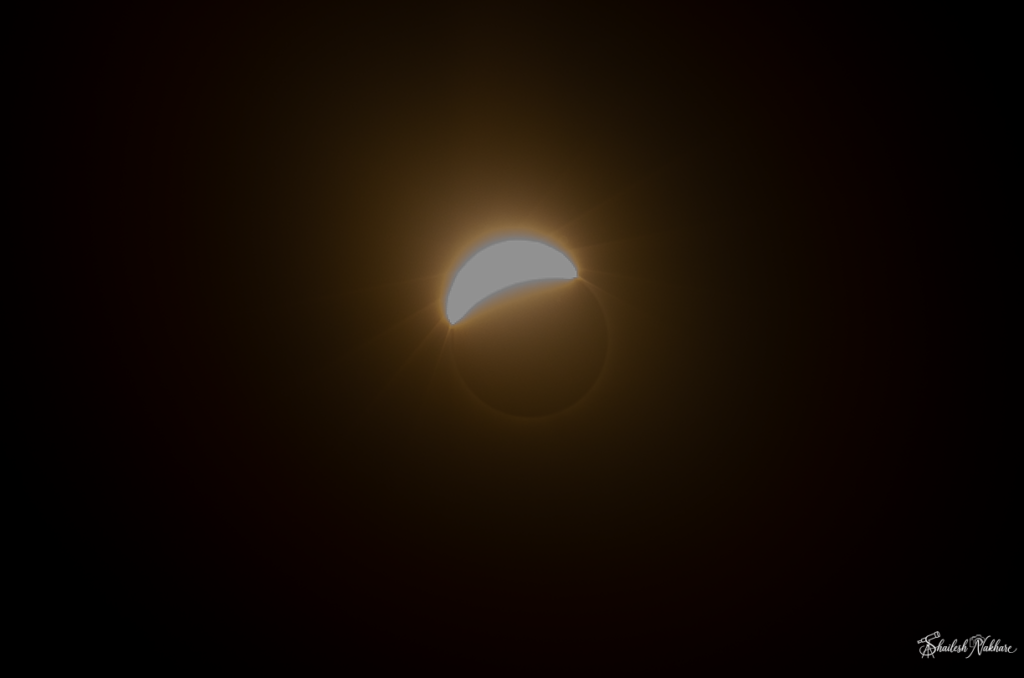
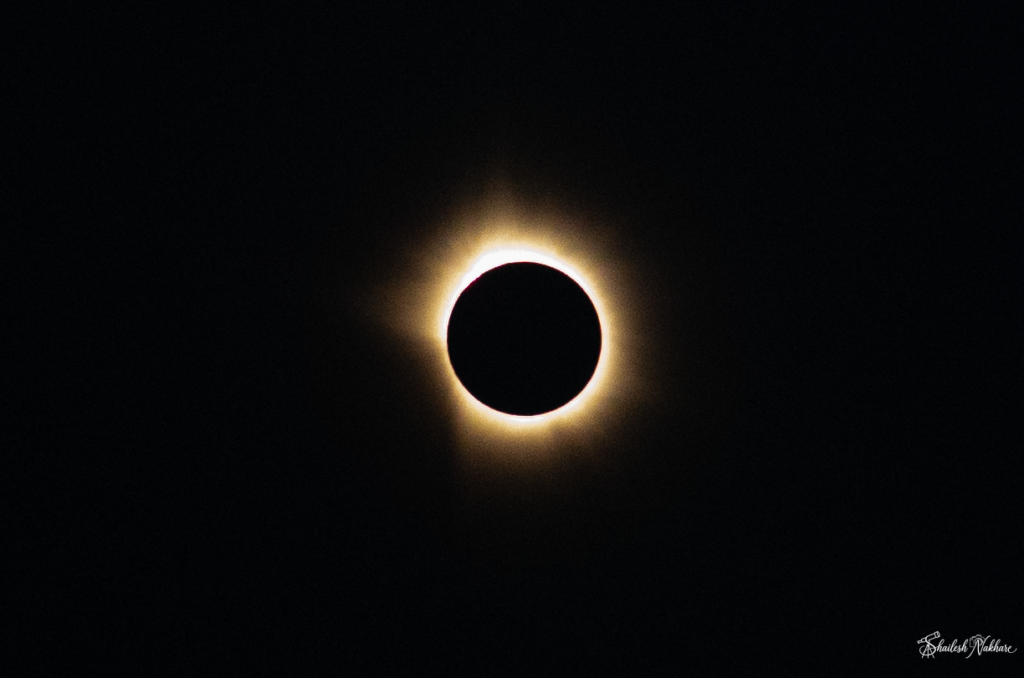
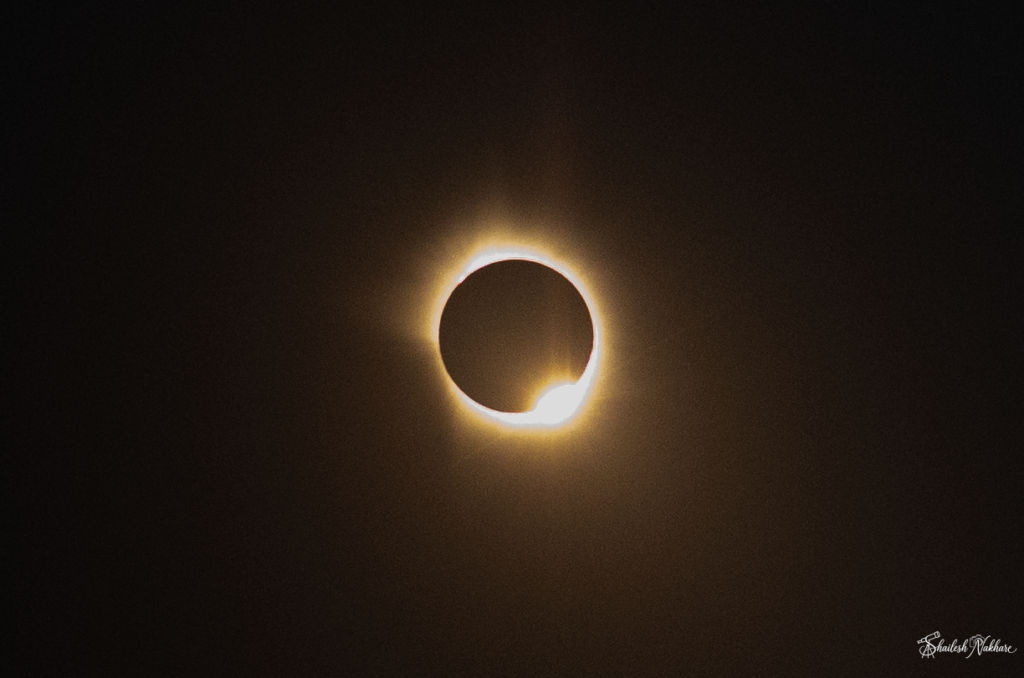
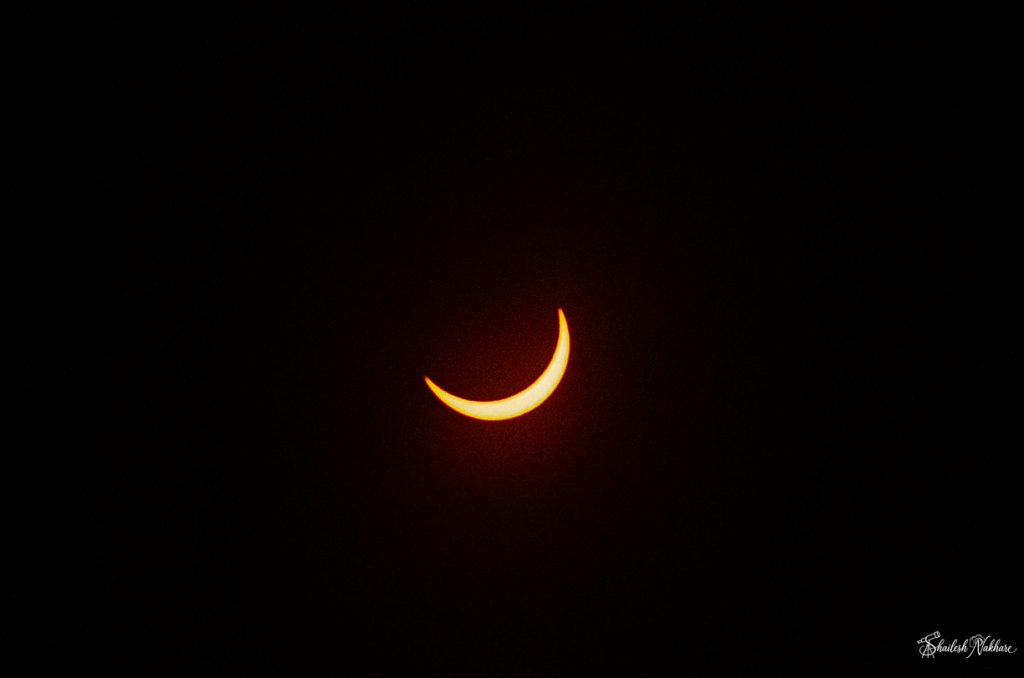
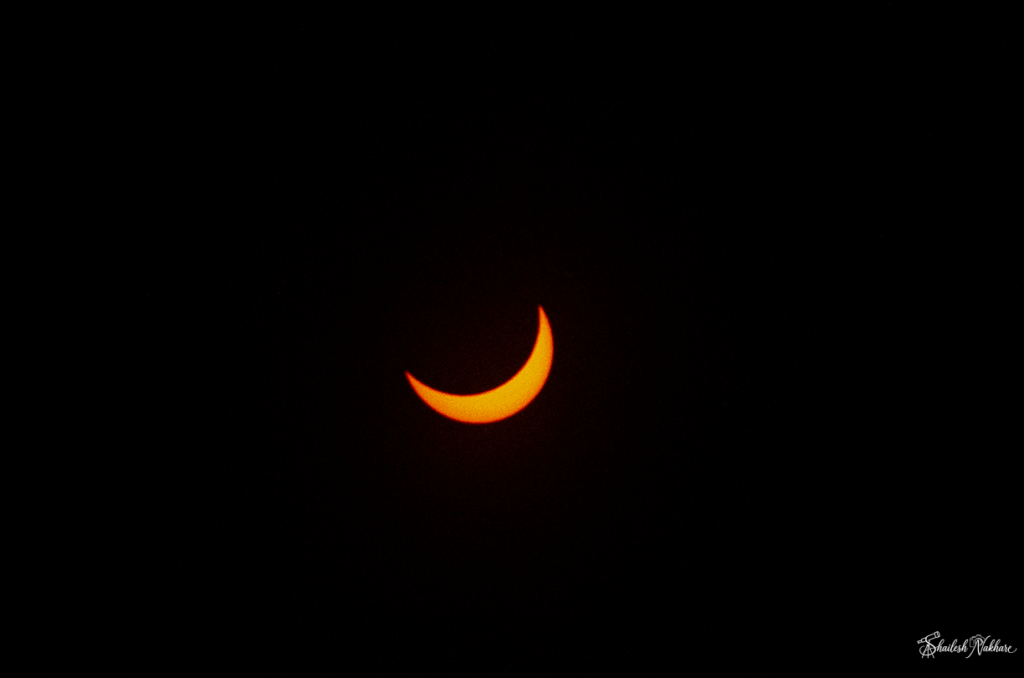
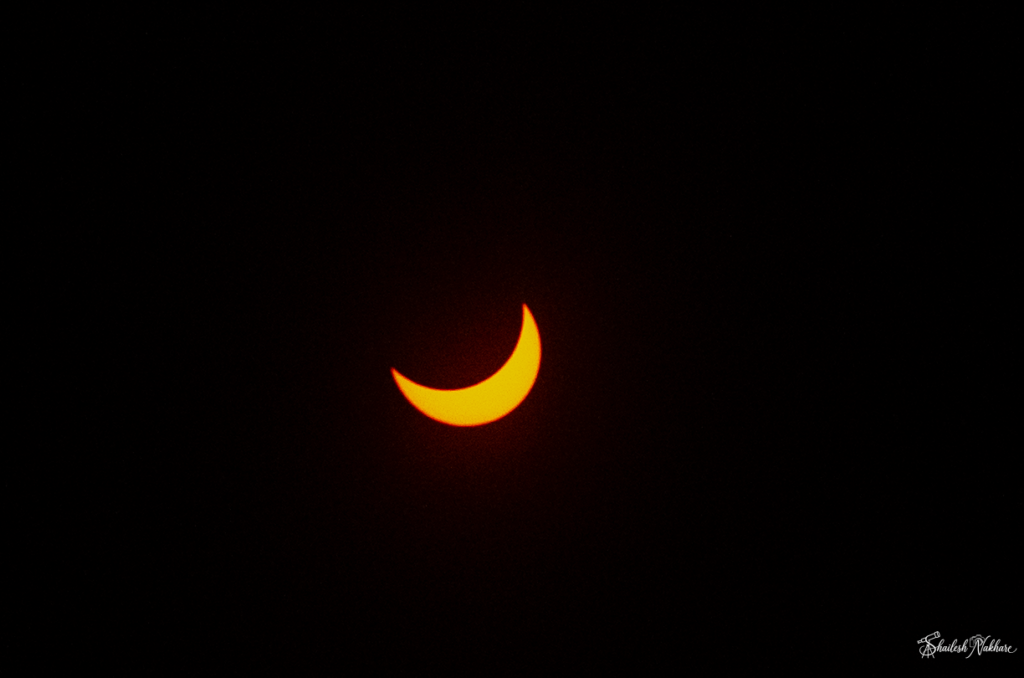
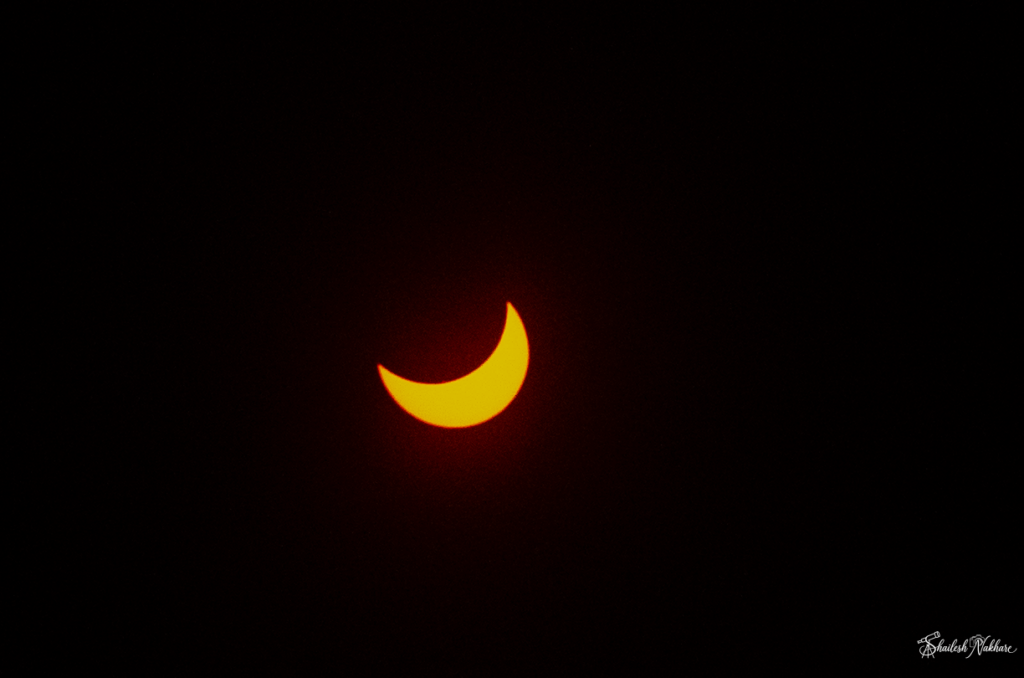
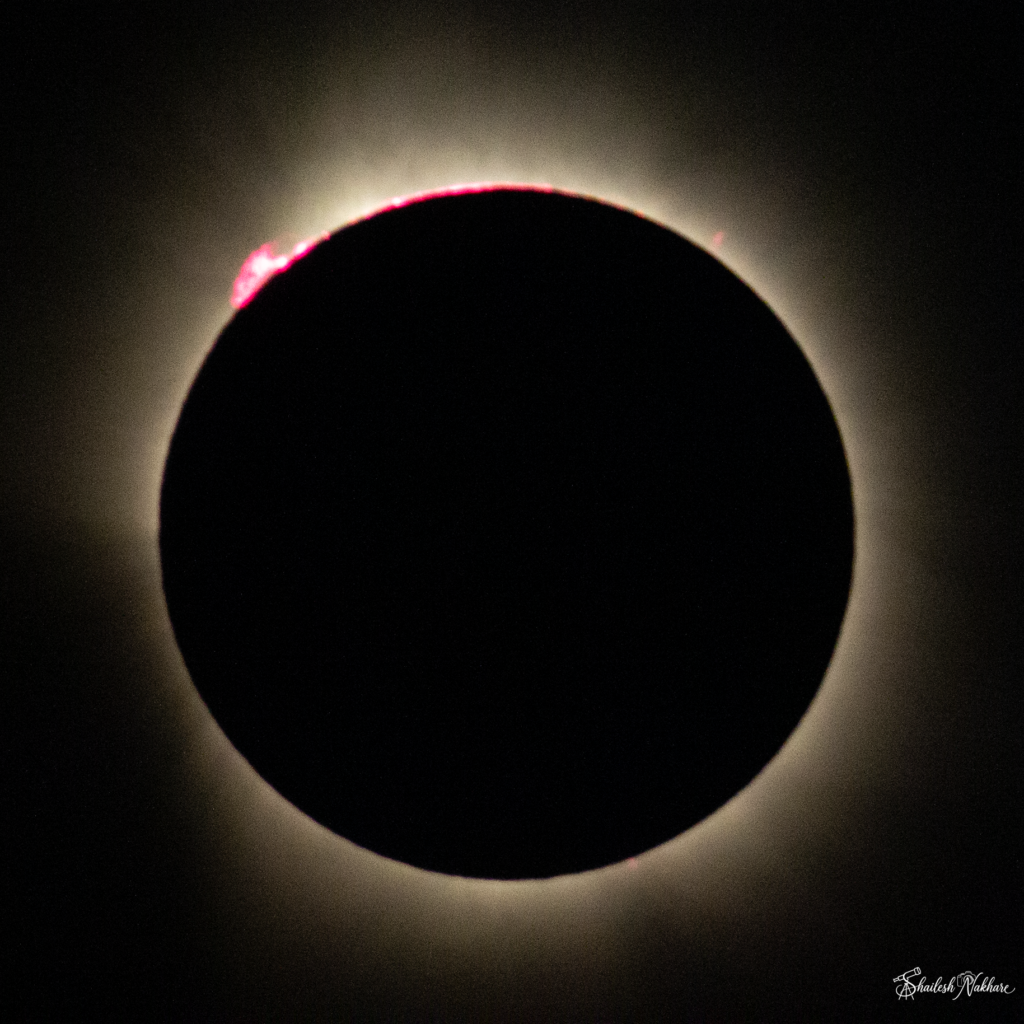
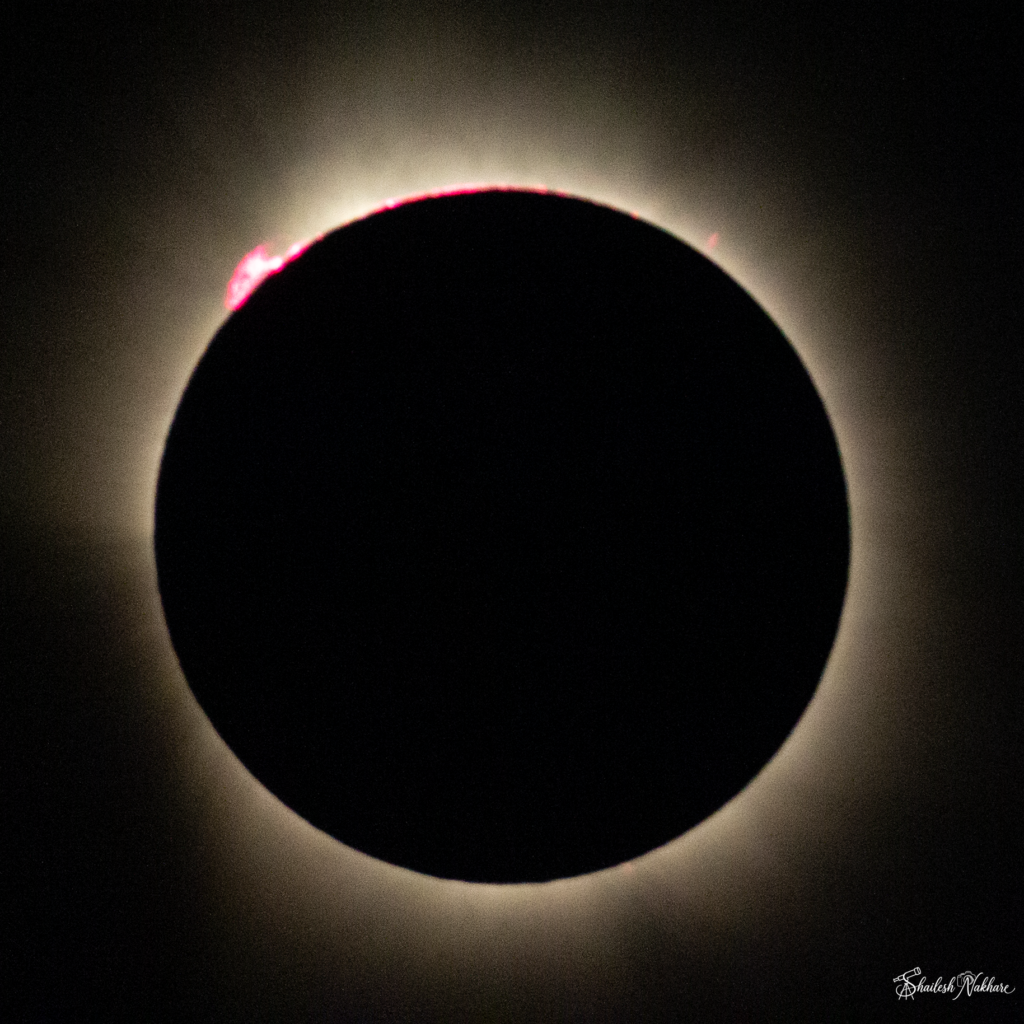
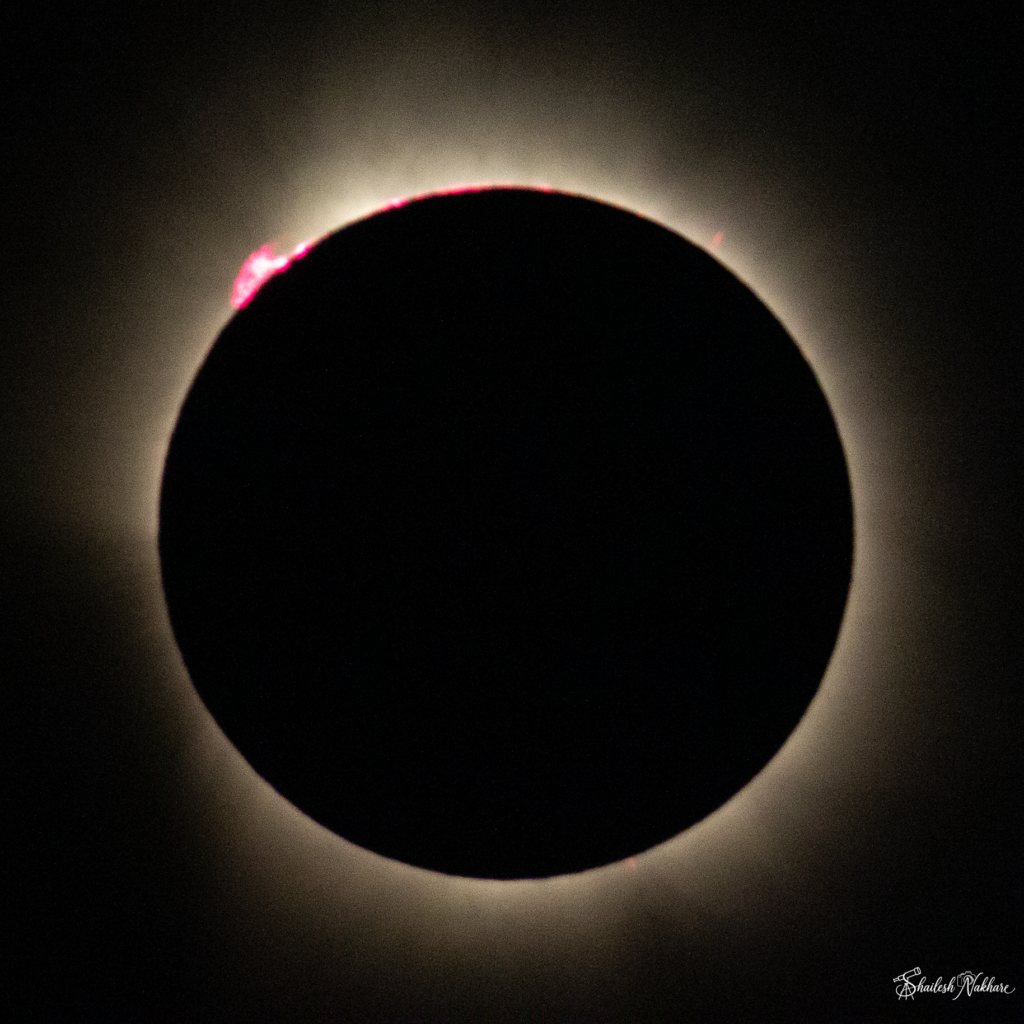
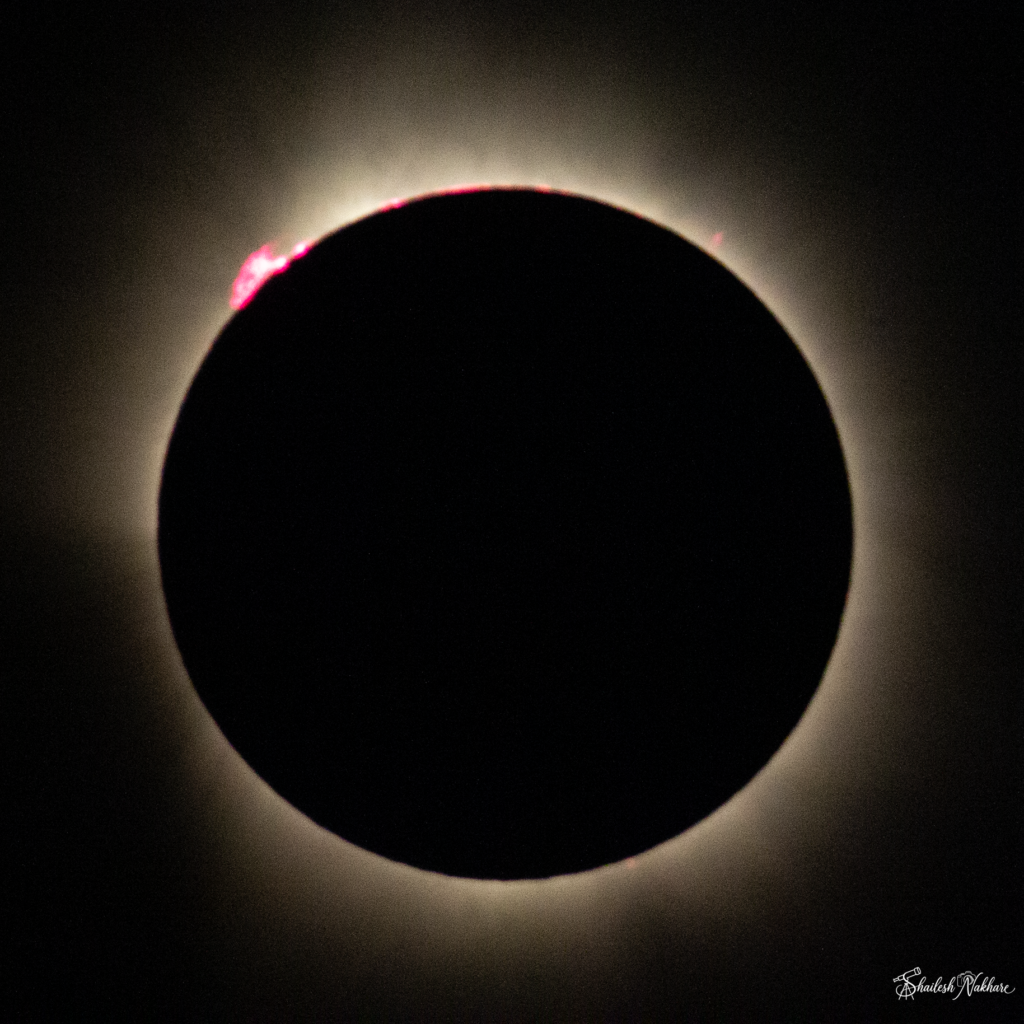
Rig 3: High-Magnification Secondary Streamers (Canon T3i + Sigma 600mm)
- Configuration: Canon T3i (Rebel 600D APS-C) paired with a Sigma 150-600mm Contemporary lens operating at 600mm.
- Purpose & Technical Role: By utilizing the APS-C 1.6x crop factor, this rig effectively extended the focal reach even further, providing a synchronized high-magnification secondary data stream to capture contrasting exposure ranges of the outer coronal structure simultaneously with Rig 1.
- Featured Images: